
- Home >
- Soccer >
- FIFA World Cup >
- Argentina wants its fans out of World Cup stadiums and asks the U.S. government to ban them
Argentina wants its fans out of World Cup stadiums and asks the U.S. government to ban them
Thousands flagged under national enforcement program could be denied entry to 2026 World Cup matches
Argentina has long been recognized for its football culture, where support for the national team often travels across borders. Fans are known to follow the team wherever it plays, creating a strong presence that can feel like home advantage even away from Argentina. But this same level of visibility has now intersected with a growing focus on personal responsibility at home.

The government has increasingly emphasized accountability beyond sport, tying national pride to legal and financial obligations. Under a program known as “Safe Stands,” authorities have expanded efforts to identify individuals with pending legal issues or outstanding financial duties, particularly in relation to child support. The initiative has received support domestically as part of a broader effort to strengthen enforcement and protect affected families.
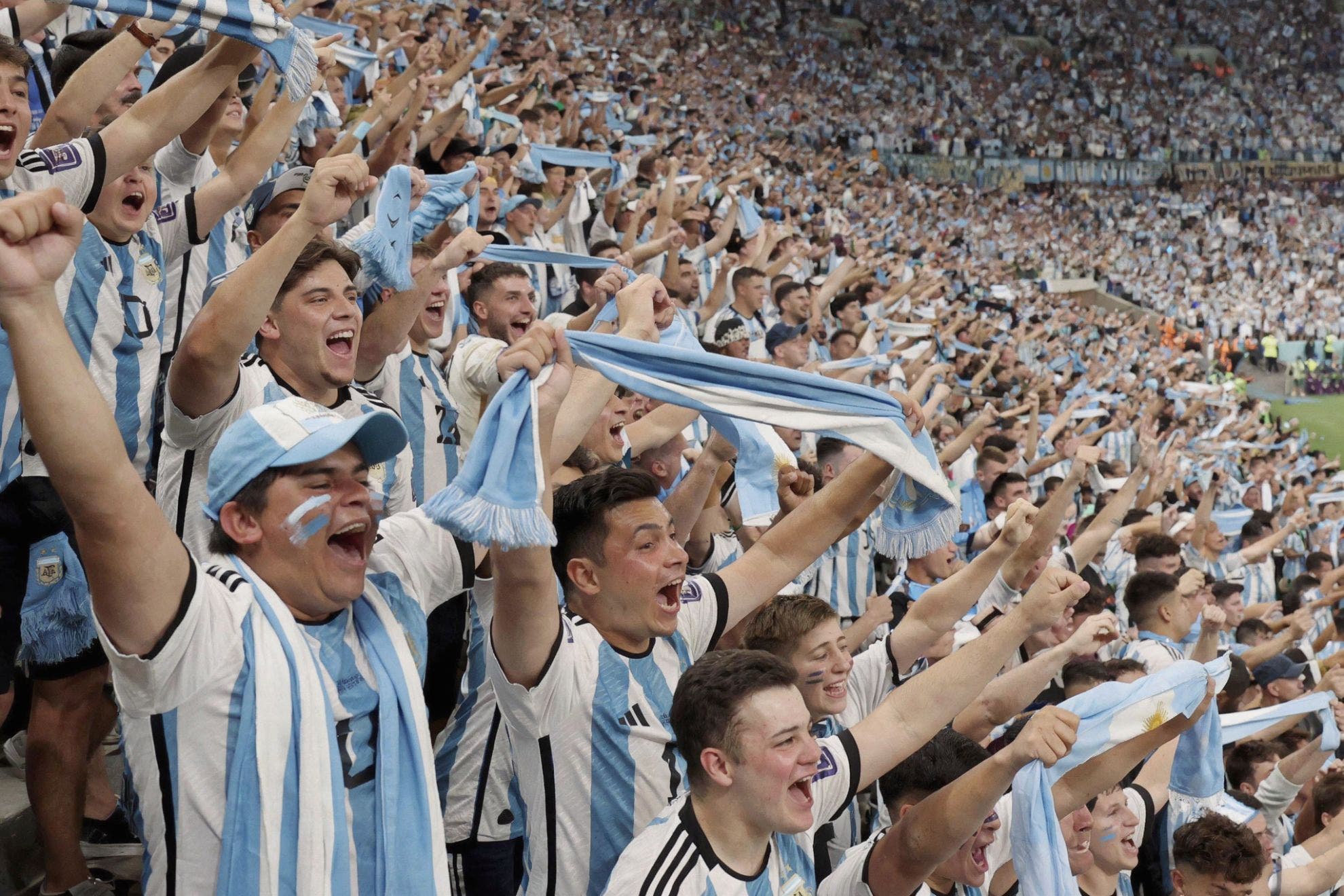
World Cup screening plan expands beyond stadium safety
As part of this approach, Argentine officials have shared a list with U.S. authorities containing around 13,000 individuals who have fallen behind on child support payments. The intention is to prevent these individuals from attending World Cup matches, based on the argument that personal obligations must be met before participating these events. The broader message from officials is that financial neglect toward children is incompatible with public participation in high-profile sporting occasions.
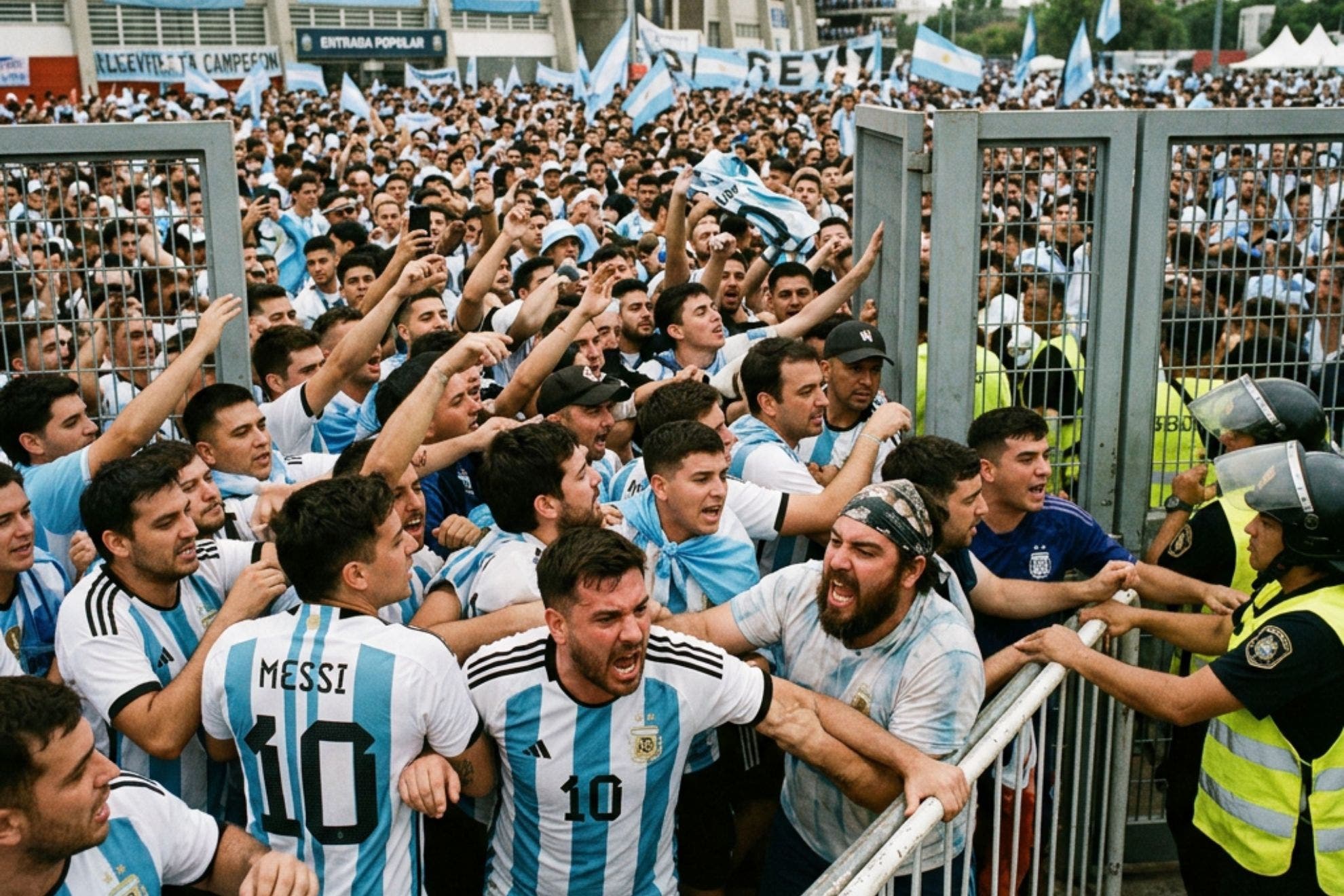
The list is not limited to financial cases. It also includes individuals with histories linked to violent criminal offenses, widening the scope of those targeted under the same enforcement framework. Buenos Aires mayor Jorge Macri has supported the stance, reinforcing the idea that individuals who fail to meet responsibilities at home should not be granted access to stadiums abroad.
Large-scale enforcement effort behind “Safe Stands” policy
Since its expansion in 2023, the “Safe Stands” program has screened more than four million spectators across over 1,300 football matches in Argentina. During these operations, authorities have identified over a thousand individuals with outstanding arrest warrants and issued multiple administrative bans from stadiums.
Officials report that the system has become a central tool in managing access to sporting venues, combining financial enforcement with public safety measures. The collaboration with U.S. authorities for the World Cup is seen as an extension of this domestic policy.
Support for the initiative has grown in parts of Argentine society, with some viewing it as a model that could be replicated elsewhere. Advocates argue that stronger enforcement helps protect the rights of children and supports families, particularly in cases where financial responsibilities are not being met. Argentina’s approach highlights a broader debate over how far sporting access can be tied to legal and civic obligations, extending the impact of domestic policy onto one of football’s biggest global stages.
Follow all the action from the 2026 FIFA World Cup on beIN SPORTS.
Watch beIN SPORTS Xtra live for free on YouTube