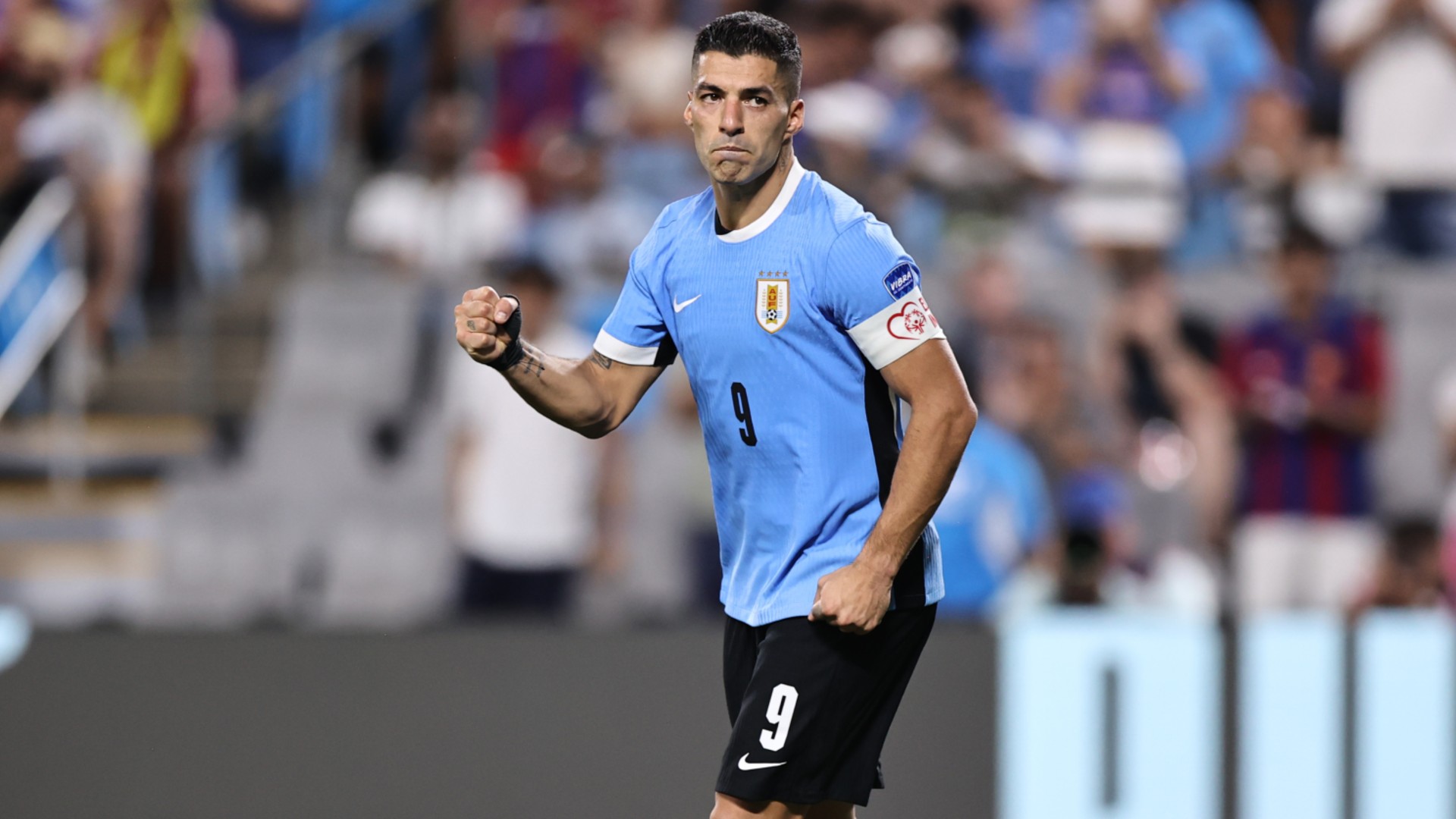

The World Cup is often seen as the stage where countries put their differences aside, but reality is rarely that simple. Even when organizers try to keep politics out of the tournament, nations compete carrying their own borders, histories and conflicts, making political, social and economic tensions impossible to ignore.
- Home >
- Soccer >
- FIFA World Cup >
- Argentina and Messi can't be officiated by an English referee at the World Cup
Argentina and Messi can't be officiated by an English referee at the World Cup
A World Cup rule goes beyond soccer, rooted in one of the deepest political wounds in Argentina's history
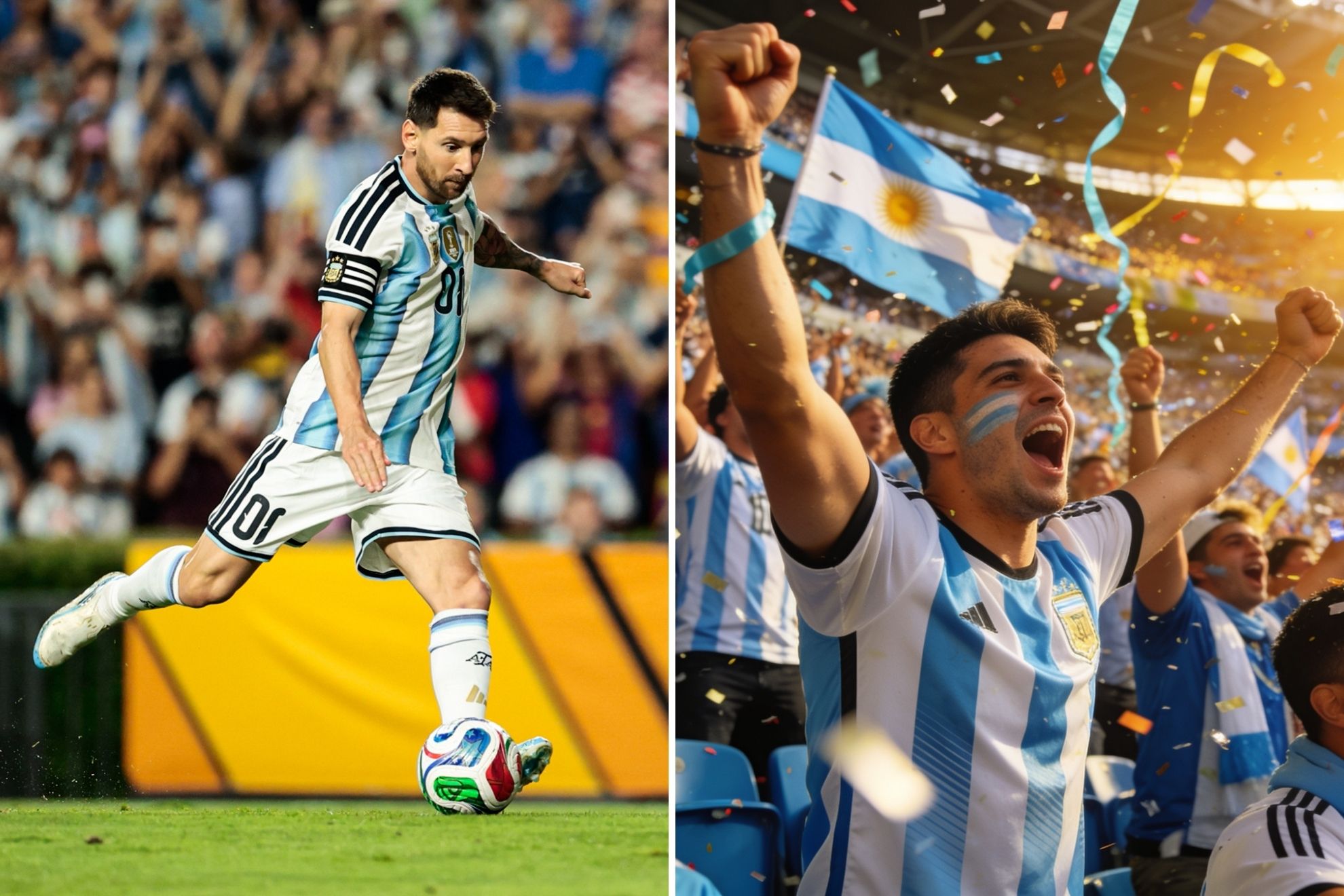
That is why the tournament includes several off-the-field conditions designed to preserve neutrality, even if they are often criticized for not being entirely impartial. One of the latest to spark debate is the rule preventing English referees from officiating Argentina matches.
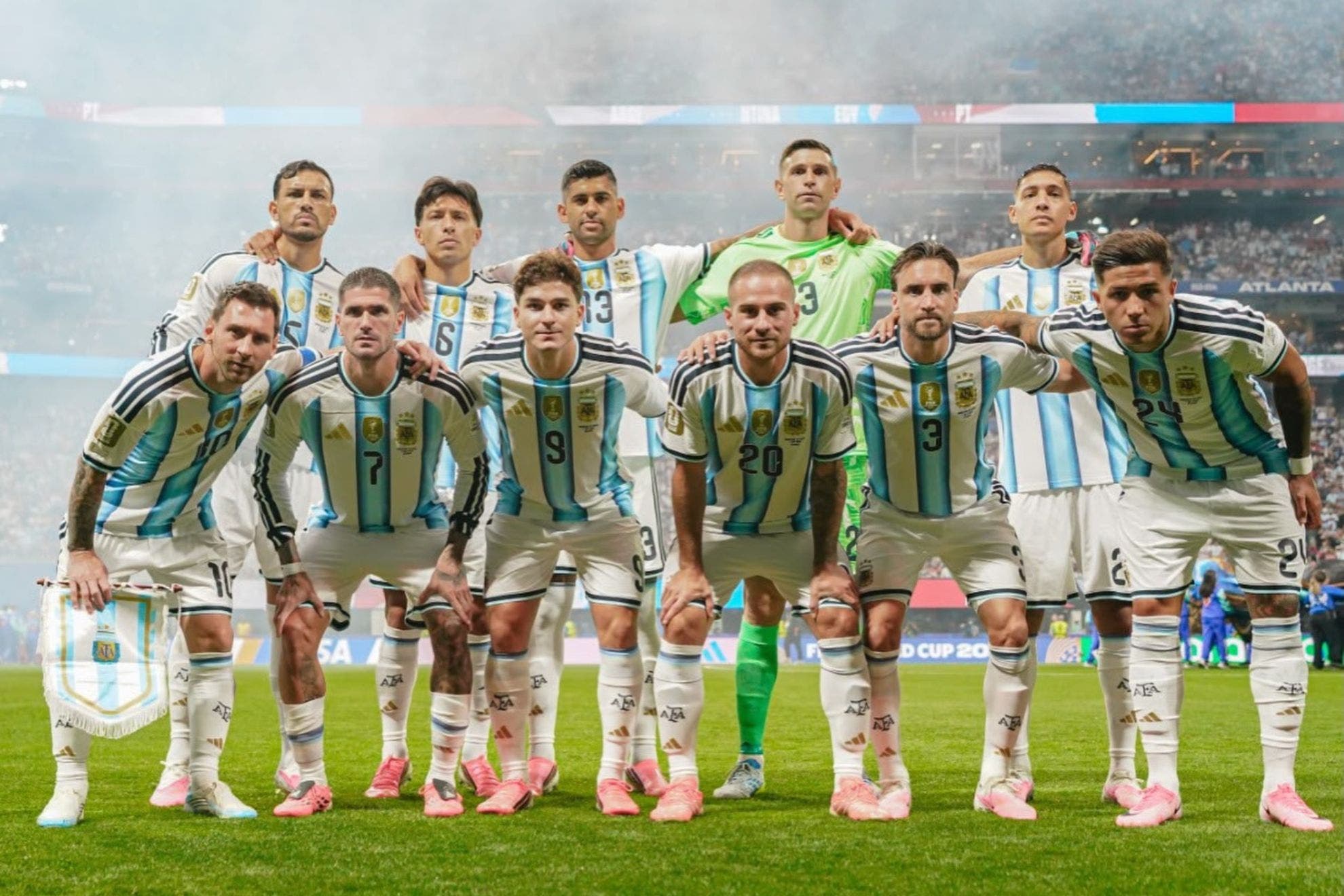
A rivalry that extends beyond football
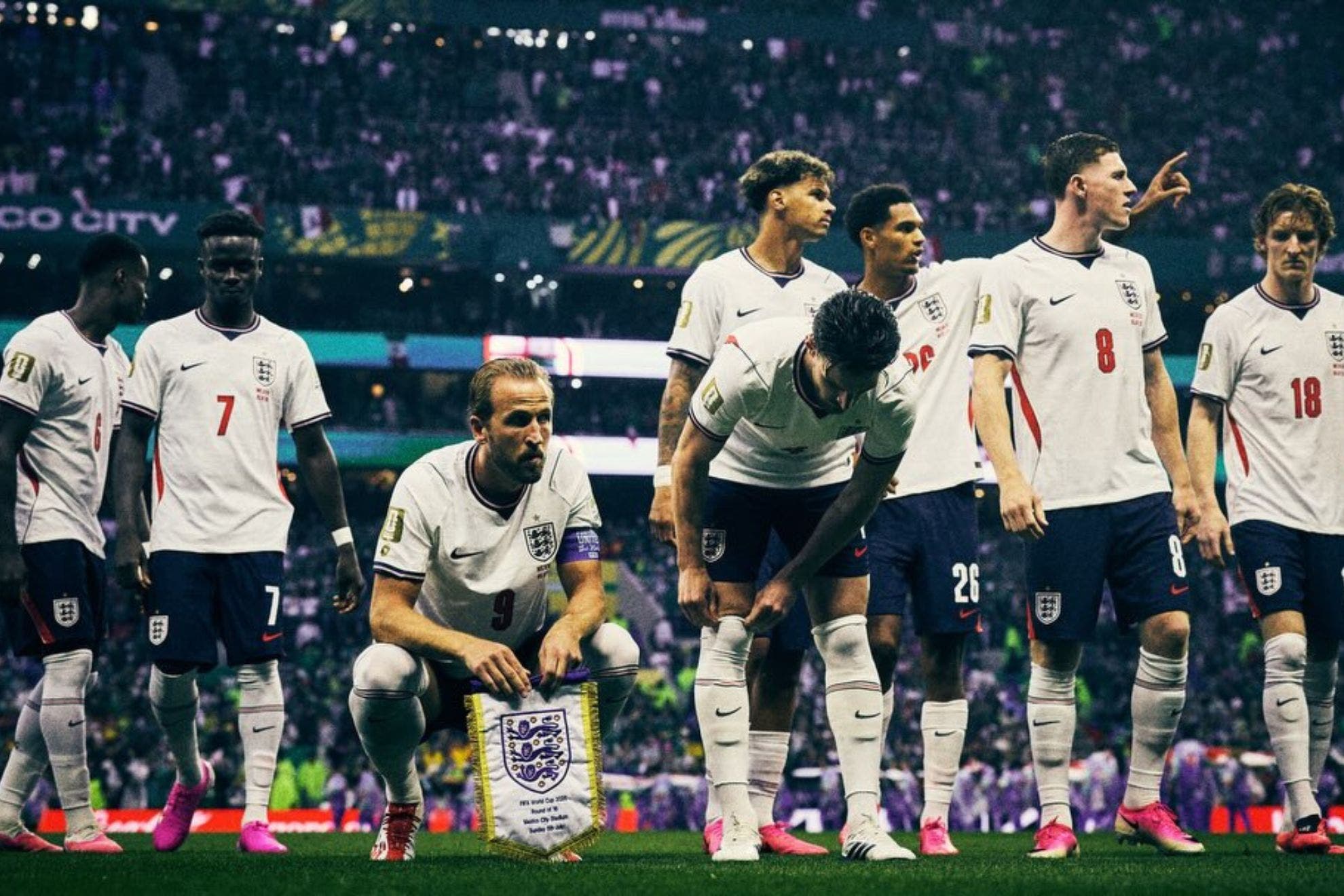
The reason goes far beyond the game. Argentina has a long-standing political dispute with the United Kingdom, and England is one of the four nations that make up the UK. For Argentinians, the issue remains deeply tied to the 1982 Falklands War, making it one of the country's most sensitive political topics.
That history is still present throughout the World Cup. Argentina's most popular chant during the tournament celebrates both Diego Maradona and Lionel Messi while also referencing the Falkland Islands: "For the Falklands, for Diego, for Leo's last one. Argentina, I want to see you become back-to-back champions." The song immediately connects national identity with one of the country's most emotional political causes.
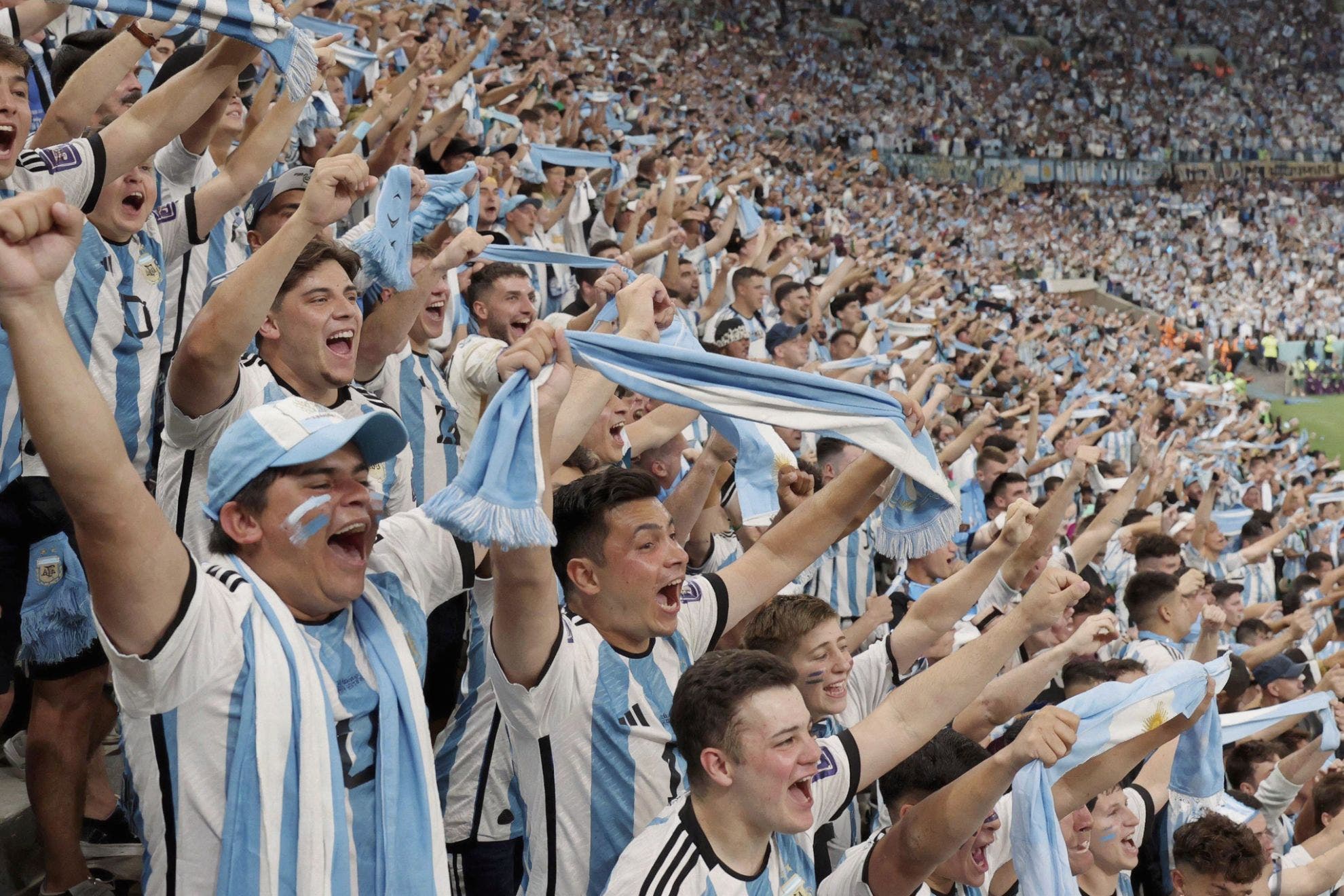
More than a football chant
Nationalism has always been a defining part of Argentina's identity, and the country's claim over the Falkland Islands remains active today. The United Nations continues to recognize the United Kingdom as the administering power of the territory, keeping the dispute alive beyond the soccer field.
The situation once again shows how Argentina's national team builds its identity through rituals that go beyond football, turning fan support into an expression of national identity with a deeply political meaning.
Follow all the action from the 2026 FIFA World Cup on beIN SPORTS.
Watch beIN SPORTS Xtra live for free on YouTube

FIFA World CupFIFA Hands Leandro Paredes a Historic Punishment
FIFA World CupBubista Steps Down as Coach of Cape Verde

FIFA World CupArgentine set to conquer England after controversy

FIFA World CupThe Fine the Argentina National Team Could Get
FIFA World CupFIFA Investigates the Argentine National Team
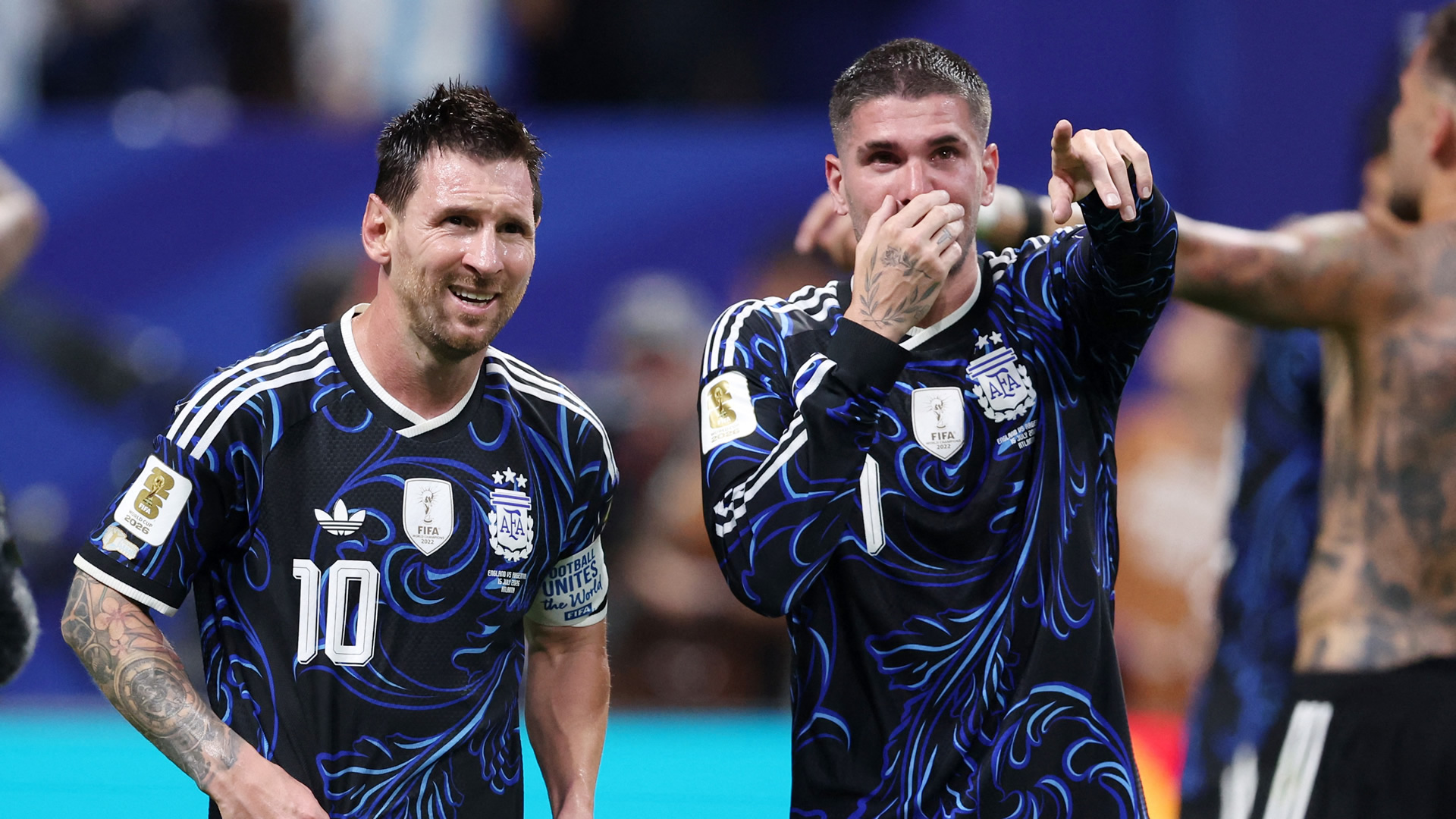
FIFA World CupAlmost half think they were robbed
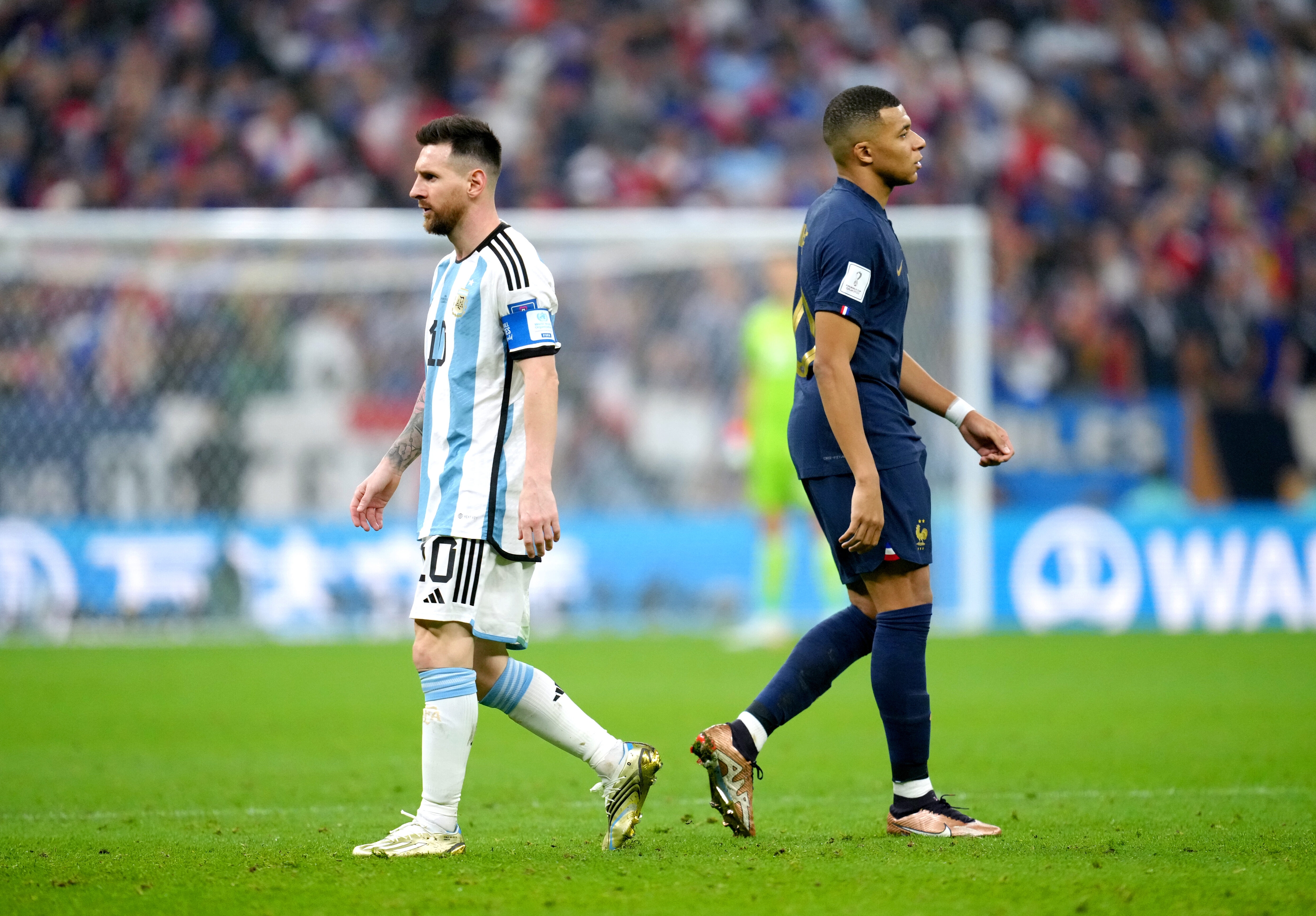
FriendliesMessi and Mbappé, two opposing stories
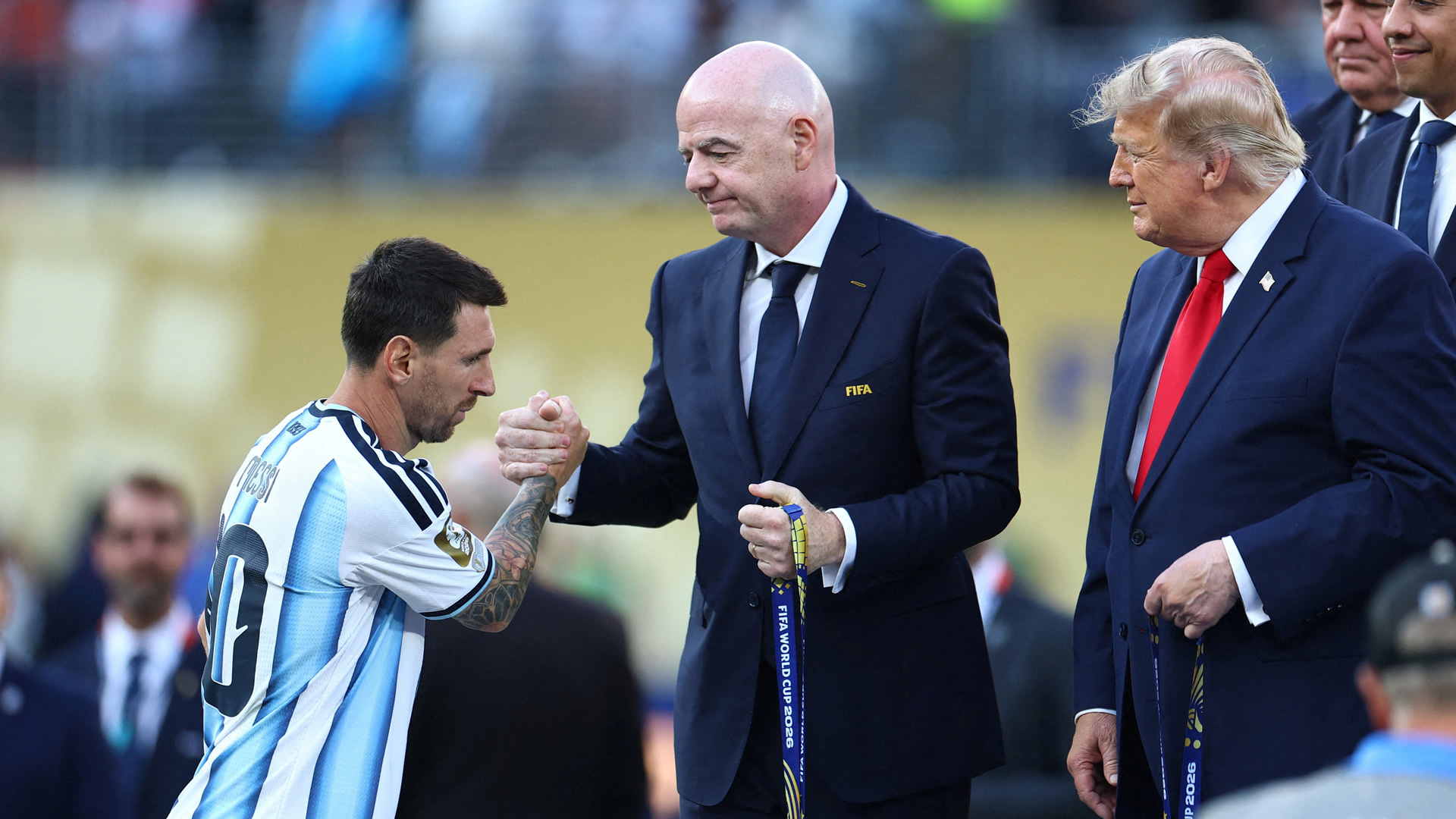
FIFA World CupFIFA Opens Investigation Into Argentina
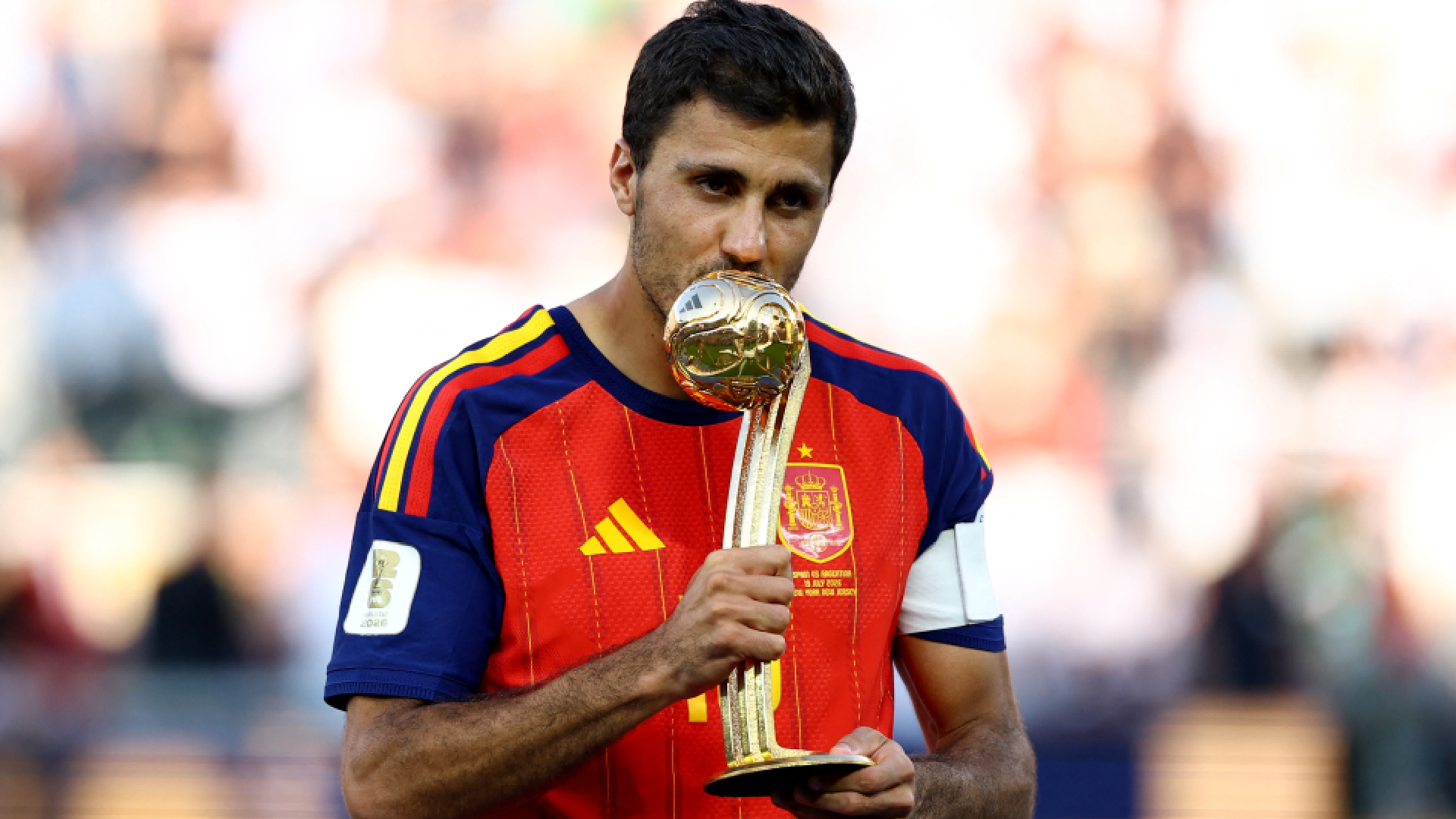
FIFA World CupRodri Between Recognition and Uncertainty

FIFA World CupLisandro Martínez Denounces AntiArgentina Campaign
FIFA World CupLionel Scaloni and the Uncertainty