
The detail that defines the Ballon d'Or
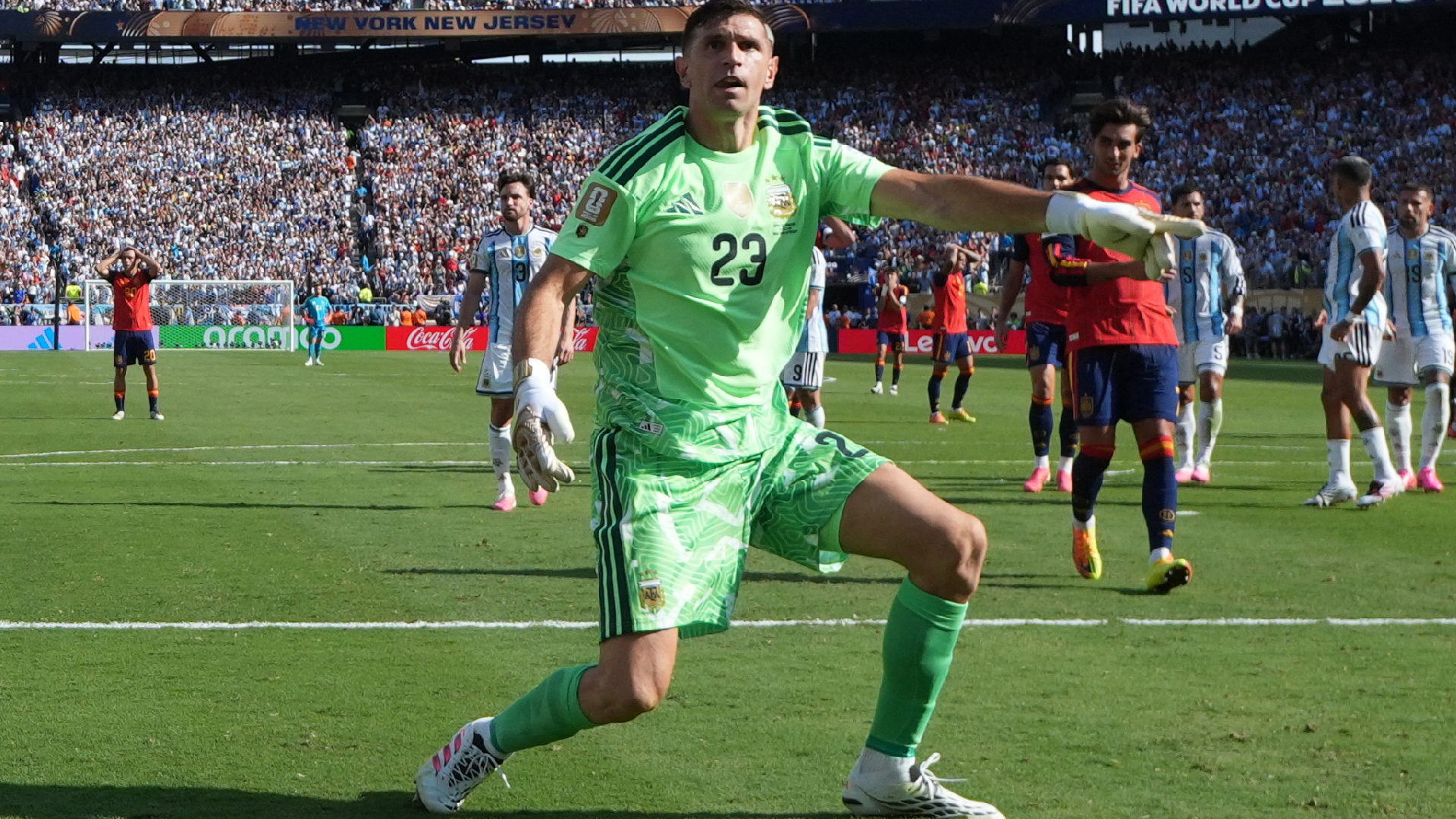
Winning soccer's most important tournament can strengthen any candidacy, but history shows that lifting the trophy has not always been enough to win the Ballon d'Or.
Is it necessary to become a world champion to win soccer's most prestigious individual award?
The World Cup carries special weight
Lifting the trophy significantly increases the chances of winning the Ballon d'Or.
Throughout history, players such as Bobby Charlton in 1966, Paolo Rossi in 1982, and Lothar Matthäus in 1990 managed to win both honors in the same year.
However, the analysis becomes especially relevant from 1995 onward, when the Ballon d'Or was no longer reserved exclusively for European players and began recognizing players of any nationality.
When the world champion did not win the award
In 2010, Spain won its first World Cup thanks to a generation led by stars such as Andrés Iniesta and Xavi Hernández. Despite that, the Ballon d'Or went to Lionel Messi.
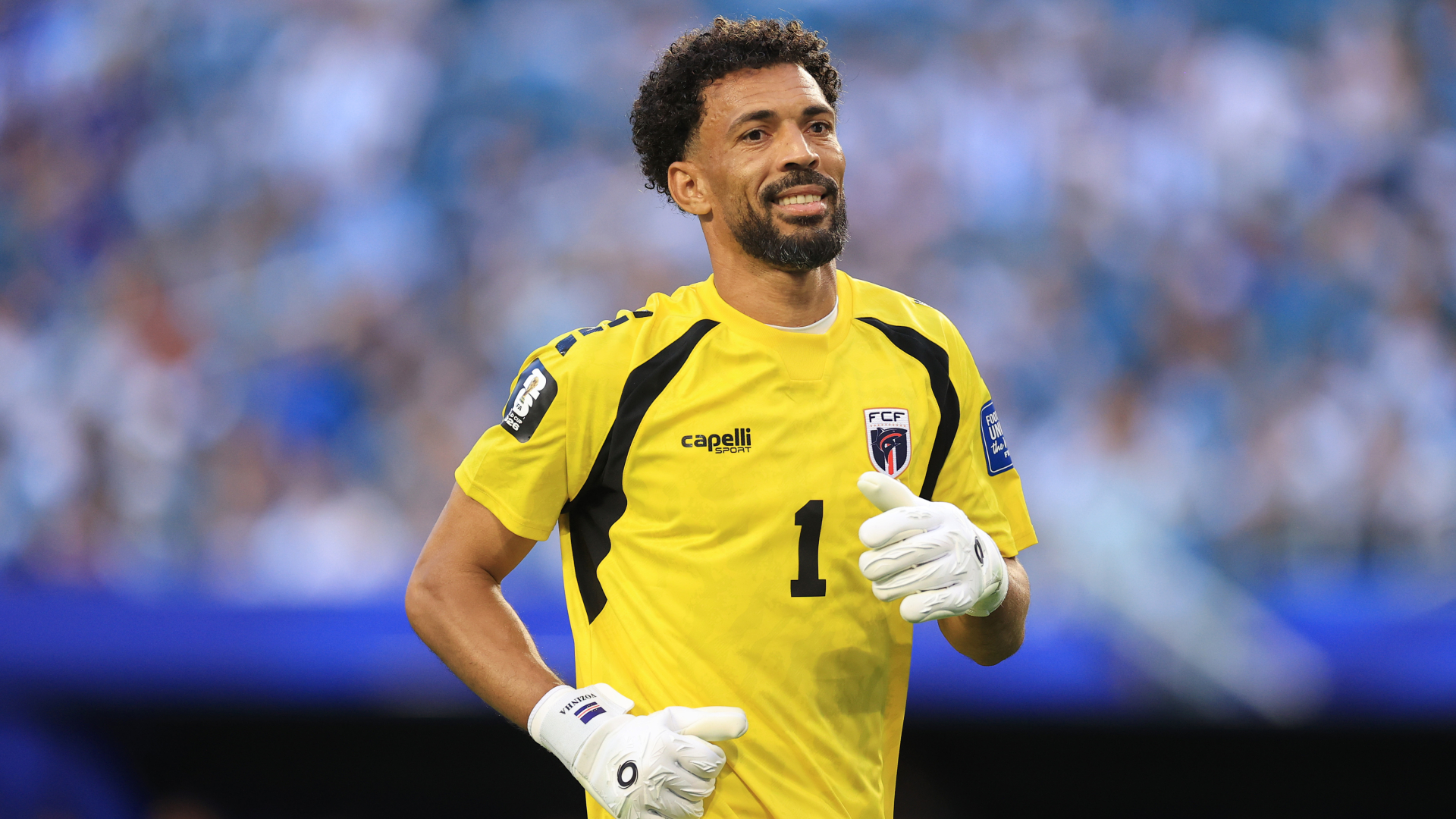
Four years later, something similar happened. Germany became world champion at Brazil 2014, and Manuel Neuer emerged as one of the leading candidates, but the award was presented to Cristiano Ronaldo.
In 2018, Luka Modrić did not need to lift the World Cup trophy to be recognized either. The midfielder led Croatia to the final and ultimately finished ahead of players such as Cristiano Ronaldo and Antoine Griezmann, who had won the tournament with France, in the voting.

Winning the World Cup does not guarantee the Ballon d'Or
The award takes into account overall performance, consistency, collective achievements, and the player's influence throughout the entire season.
The World Cup can become the ultimate stage, but winning the Ballon d'Or requires more than simply being part of the champion team: a player must also prove that he was one of the best footballers throughout the entire season.