
- Home >
- Soccer >
- Argentina dominates the benches at the 2026 World Cup with six coaches and a historic presence in the elite of international football
Argentina dominates the benches at the 2026 World Cup with six coaches and a historic presence in the elite of international football
Argentina will once again carry enormous influence at the 2026 World Cup, although this time from the sidelines. Lionel Scaloni, Mauricio Pochettino, Marcelo Bielsa, Gustavo Alfaro, Sebastián Beccacece and Néstor Lorenzo will lead six national teams at the tournament.
Argentina dominates the benches at the 2026 World Cup with six coaches
The 2026 World Cup will not only feature Argentine influence on the pitch. Argentina will be the country with the largest coaching representation at the tournament, with six managers leading different national teams, confirming the global impact of its footballing school.
From world champions to coaches with extensive continental experience, the Albiceleste presence will become one of the most compelling stories heading into the tournament hosted by Mexico, the United States and Canada.
Lionel Scaloni and the world champion
The most prominent name on the list is Lionel Scaloni, who will arrive at the World Cup as Argentina’s head coach and the architect behind one of the most successful eras in the nation’s recent history.
After winning the World Cup and restoring stability to the Argentine project, Scaloni will aim to keep his side among the tournament favorites.
His leadership also represents the continuity of a process that transformed Argentina into an international football reference.

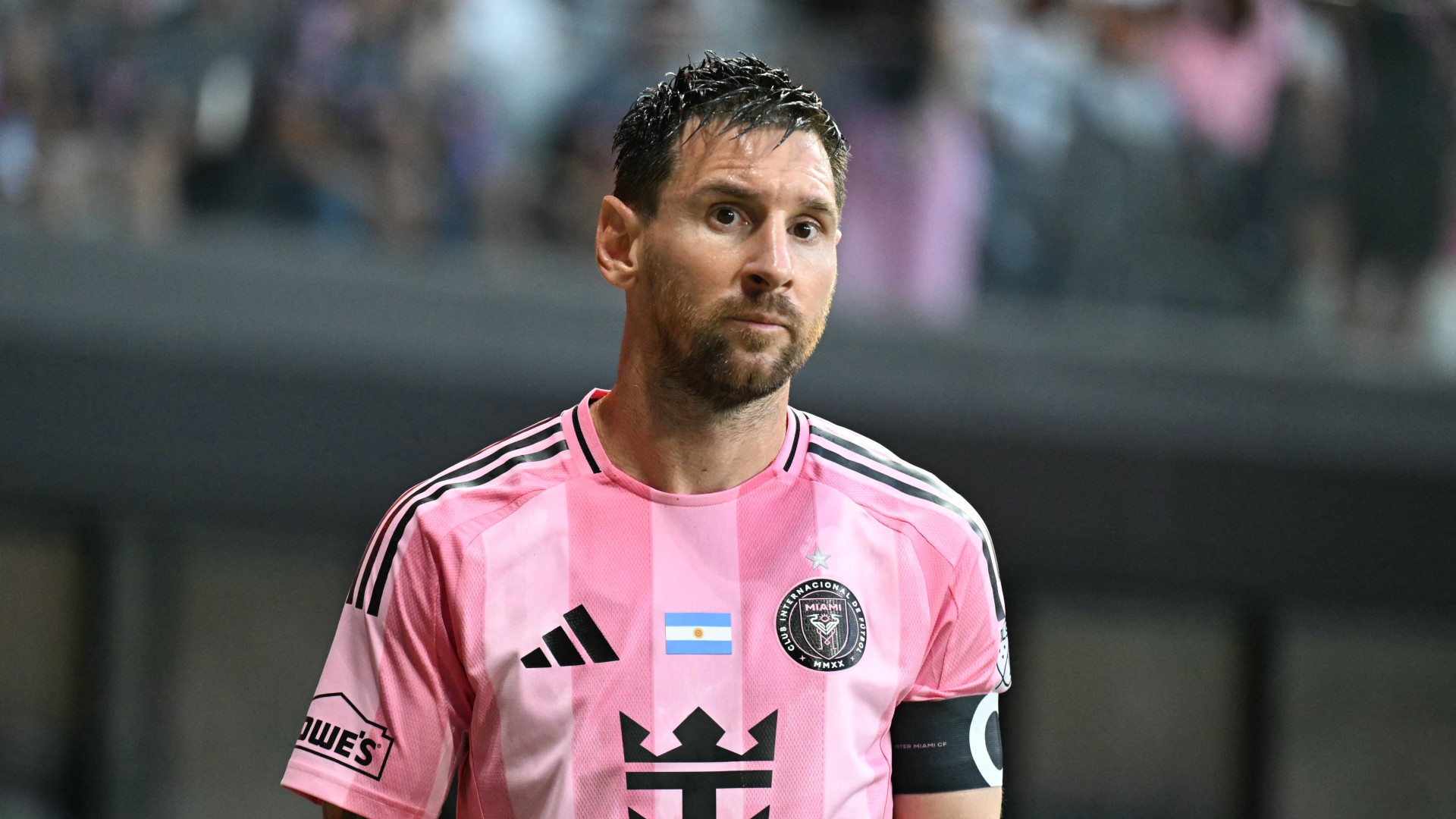
Mauricio Pochettino leads the United States
Another major figure is Mauricio Pochettino, who accepted the challenge of managing the United States with the World Cup in mind as tournament hosts.
The former Tottenham, PSG and Chelsea manager faces one of the biggest challenges of his career: turning the American squad into a competitive team capable of taking advantage of home soil and challenging the world’s elite.
Pochettino’s presence further strengthens the global prestige of Argentine coaches.

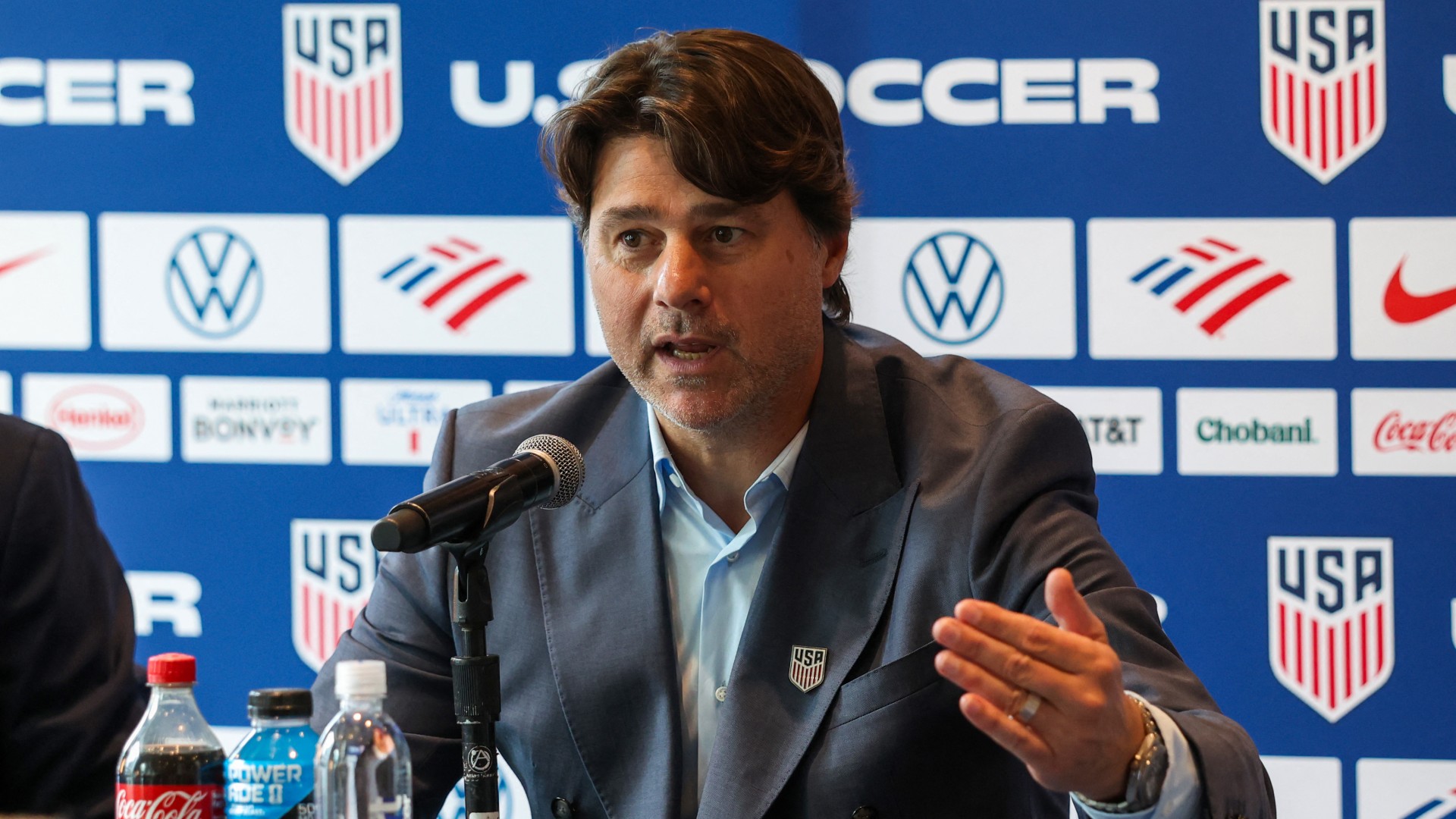
Marcelo Bielsa and Uruguay’s attacking identity
Few figures inspire as much football admiration as Marcelo Bielsa. The legendary Argentine manager will lead Uruguay and return to the World Cup with his trademark attacking philosophy and tactical intensity.
Bielsa has left his mark on national teams and clubs around the world, and his project with La Celeste carries enormous expectations.
For many analysts, his influence goes beyond results and has shaped entire generations of coaches.

Gustavo Alfaro and Paraguay’s ambition
Gustavo Alfaro will seek to write a new chapter with Paraguay.
Recognized for his ability to build organized and competitive teams, the Argentine coach returns to the World Cup stage with the mission of restoring prominence to a Paraguayan side eager to regain international relevance.
His experience in qualification campaigns makes him one of the tournament’s most intriguing coaching figures.


Sebastián Beccacece leads Ecuador’s project
Ecuador’s recent growth will also carry Argentine direction through Sebastián Beccacece.
The coach has built a career defined by intense football and the development of young talent, qualities that align perfectly with an Ecuadorian side that has shown constant progress in recent years.
Ecuador appears to be one of the teams capable of surprising at the World Cup, and Beccacece will play a key role in that ambition.

Néstor Lorenzo completes Argentina’s presence with Colombia
The list is completed by Néstor Lorenzo, Colombia’s head coach and one of the most successful managers of the recent South American cycle.
His work restored competitiveness and stability to the Colombian side, building an identity that has reignited excitement among supporters ahead of the World Cup.
With Lorenzo, Argentina reaches an unprecedented number and confirms the export of tactical talent that has historically defined the country’s football culture.

An Argentine influence that crosses borders
Beyond the results their teams may achieve, the presence of six Argentine coaches at the 2026 World Cup reflects the international influence of the country’s football school.
Scaloni, Pochettino, Bielsa, Alfaro, Beccacece and Lorenzo represent different styles, diverse careers and a shared tactical tradition that will once again play a central role on football’s biggest stage.