
- Home >
- Soccer >
- CAF Africa Cup of Nations >
- Senegal Demands International Investigation Into CAF Over Alleged Corruption After Afcon Title Loss
Senegal Demands International Investigation Into CAF Over Alleged Corruption After Afcon Title Loss
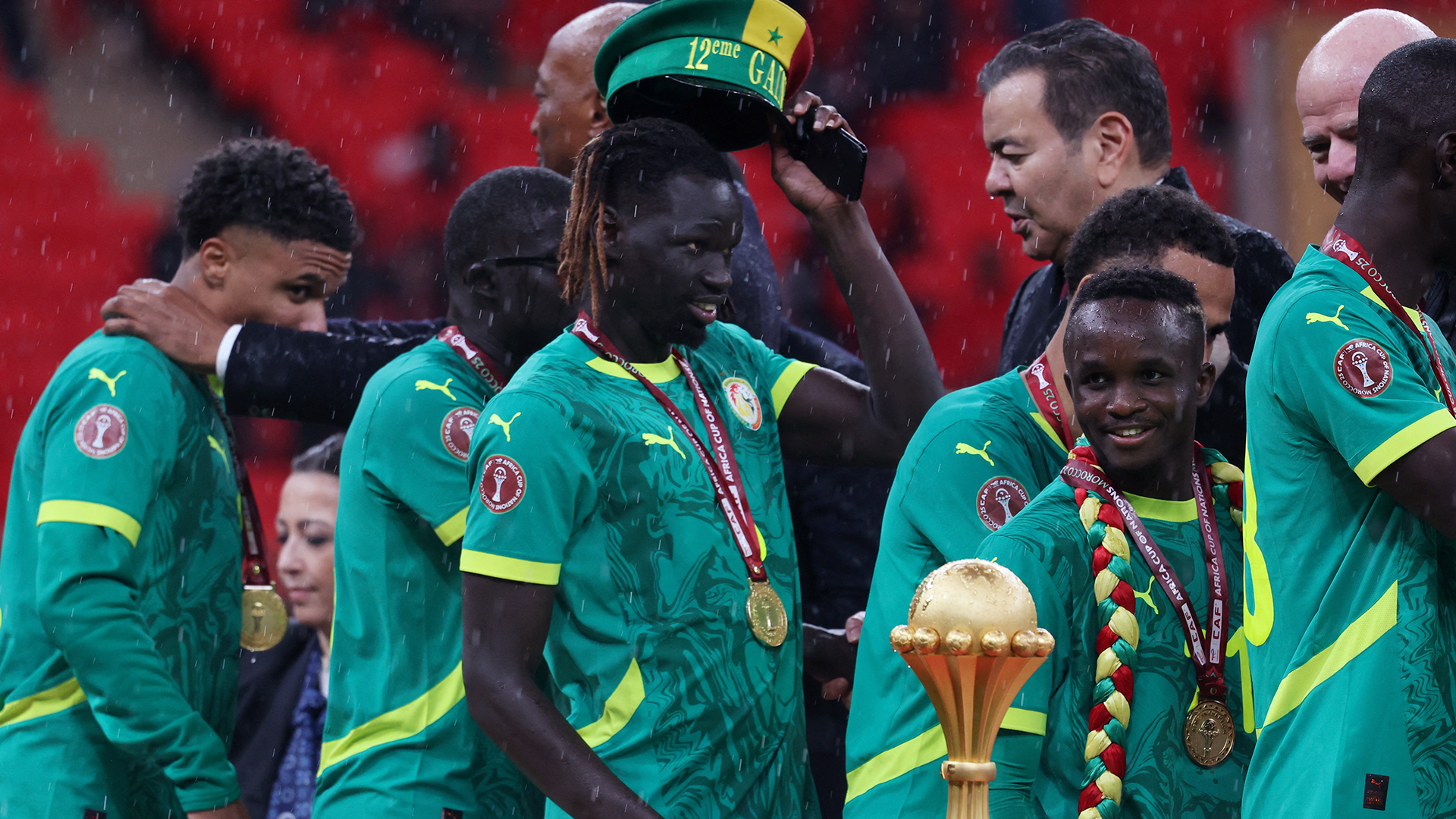
Senegal is demanding an independent international investigation after CAF stripped the nation of its AFCON title and awarded it to Morocco. The decision has sparked accusations of corruption and a growing crisis in African football.
Senegal erupts against CAF and demands an international investigation
The controversy surrounding the Africa Cup of Nations has now escalated to the political level. The Government of Senegal has officially requested an independent international investigation into alleged corruption within the Confederation of African Football (CAF) after the governing body decided to strip Senegal of the championship title and award it to Morocco.
The decision triggered an immediate reaction across the country, where authorities, football officials, and fans believe the ruling unfairly removes a sporting achievement that was earned on the pitch.
In an official statement, the government was direct: “Senegal cannot tolerate an administrative decision that cancels commitment, merit, and sporting excellence.” The statement also emphasized that the country categorically rejects what it describes as an unjustified attempt to strip the nation of its title, demanding international institutions investigate what happened within CAF.
The conflict is no longer purely sporting. With government involvement, the situation now threatens to become one of the most serious institutional crises African football has faced in recent years.
The controversial penalty that triggered chaos in the final
The entire controversy dates back to the final played on January 18, when Senegal defeated Morocco 1–0 in a tense and dramatic match.
However, the most controversial moment came in stoppage time, when the referee awarded a penalty to Morocco. The decision sparked immediate protests from Senegal’s players, who temporarily walked off the pitch in protest.
That act later became the key argument used by the CAF Appeals Committee, which ruled that Senegal had “forfeited the match”, interpreting the incident as a violation of competition rules that justified a 3–0 administrative defeat.
The match eventually resumed and Brahim Díaz stepped up to take the penalty, but goalkeeper Édouard Mendy saved it, keeping Senegal’s hopes alive. Later, Pape Gueye scored the goal that appeared to secure the title.
Senegal plans to appeal the decision at CAS
The Senegalese Football Federation (FSF) reacted quickly and announced it will appeal the decision to the Court of Arbitration for Sport (CAS).
According to the federation, the ruling is “unfair, unprecedented, and unacceptable”, and it severely damages the credibility of African football.
Officials argue that the decision relies on an incorrect interpretation of the rules, insisting that the punishment imposed does not correspond to the events that occurred during the match.
The FSF maintains that the team returned to the field and completed the match, meaning the situation should not legally qualify as a match forfeiture.
Meanwhile, the Moroccan federation has defended its position, stating that its complaint was not intended to challenge the teams’ sporting performance, but simply to ensure that the competition’s regulations were properly applied.
A scandal that could shake African football
The controversy has already triggered a strong reaction from fans, players, and analysts across African football.
In Senegal, the decision has led to public outrage, heated debates on social media, and growing questions about the governance of continental football. Even members of the national team have expressed their frustration publicly.
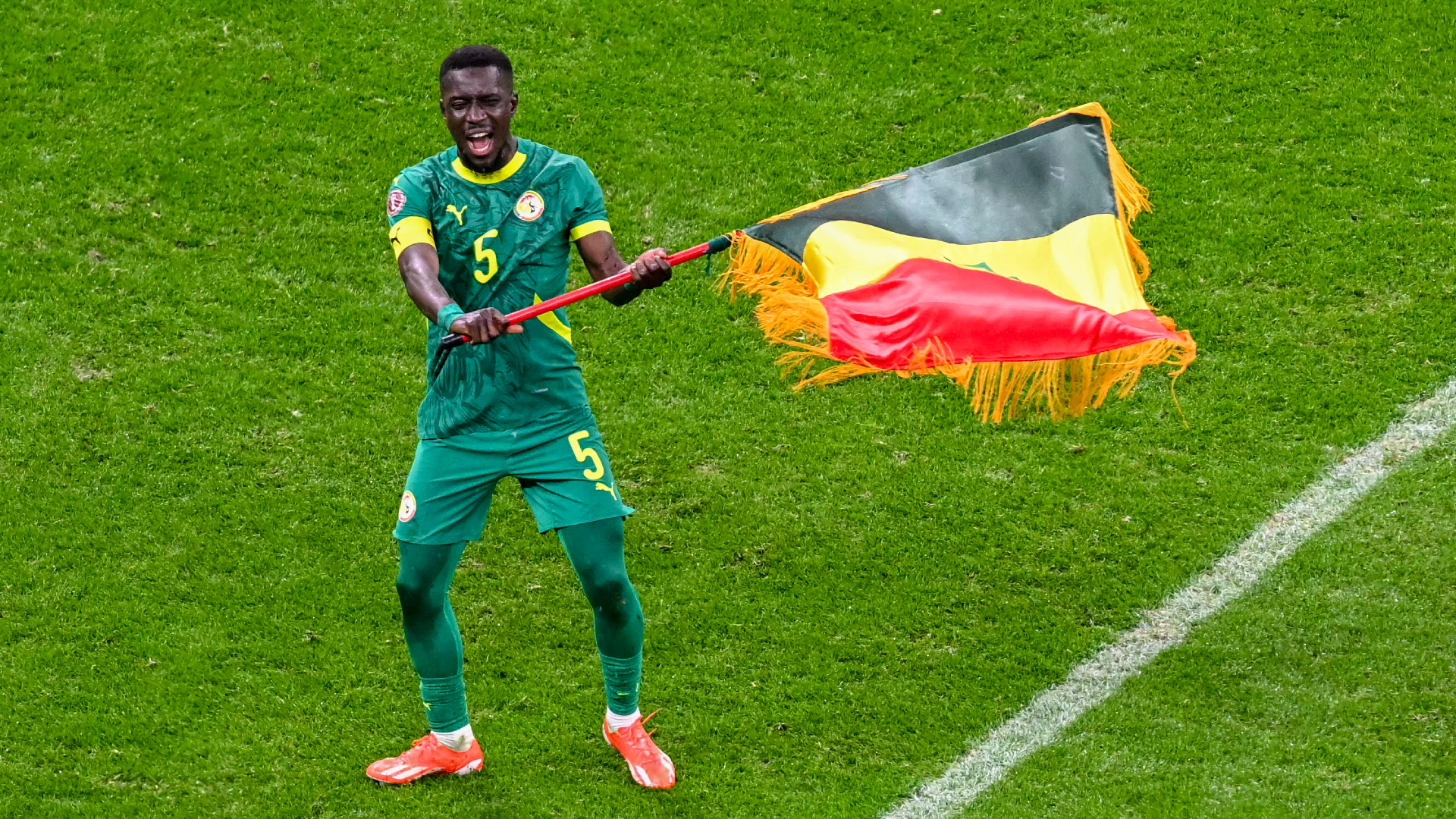
Midfielder Idrissa Gueye, who was part of the championship-winning squad, posted on social media that what the team experienced that night cannot be taken away from them, a message that reflects the widespread feeling in the country.
The case could open a broader debate about transparency and oversight within CAF.
If the investigation requested by Senegal moves forward or the case reaches international arbitration at CAS, the decision that changed the AFCON champion could become one of the biggest institutional scandals in the history of African football.