
- Home >
- Soccer >
- CAF Africa Cup of Nations >
- Moroccan Government Rallies Behind Brahim Díaz After Missed Penalty in AFCON Final
Moroccan Government Rallies Behind Brahim Díaz After Missed Penalty in AFCON Final
The missed penalty hurt, but it did not erase what was built. From the highest political level, Morocco sent Brahim a message that went far beyond the result.
A gesture that goes beyond football
The AFCON 2025 final left an open wound in Morocco, but it also sparked a show of support that surprised many for its symbolic weight. Moroccan Prime Minister Aziz Ajanuch publicly addressed Brahim Díaz, one of the tournament’s standout figures, despite the missed penalty in the final against Senegal.
Rather than focusing on the mistake, the head of government highlighted the Real Madrid forward’s emotional and sporting impact, stressing that his performance transcended the final score. An unusual gesture that underlined the stature Brahim reached during the tournament played on home soil.

“You entered the hearts of all Moroccans”
Speaking before the House of Representatives, Ajanuch struck a direct and emotional tone. He acknowledged how deeply affected the player was after the final, but made it clear that his AFCON legacy remains intact.
“The revelation of this edition and the tournament’s top scorer,” the prime minister said, referencing the five goals that earned Brahim the Golden Boot.
The message became even more personal when he recalled Brahim’s decision to represent Morocco. “You didn’t just join the national team. You entered the hearts of all Moroccans,” Ajanuch stated, emphasizing a choice that marked a turning point in the bond between the player and the nation.

The penalty that does not erase the tournament
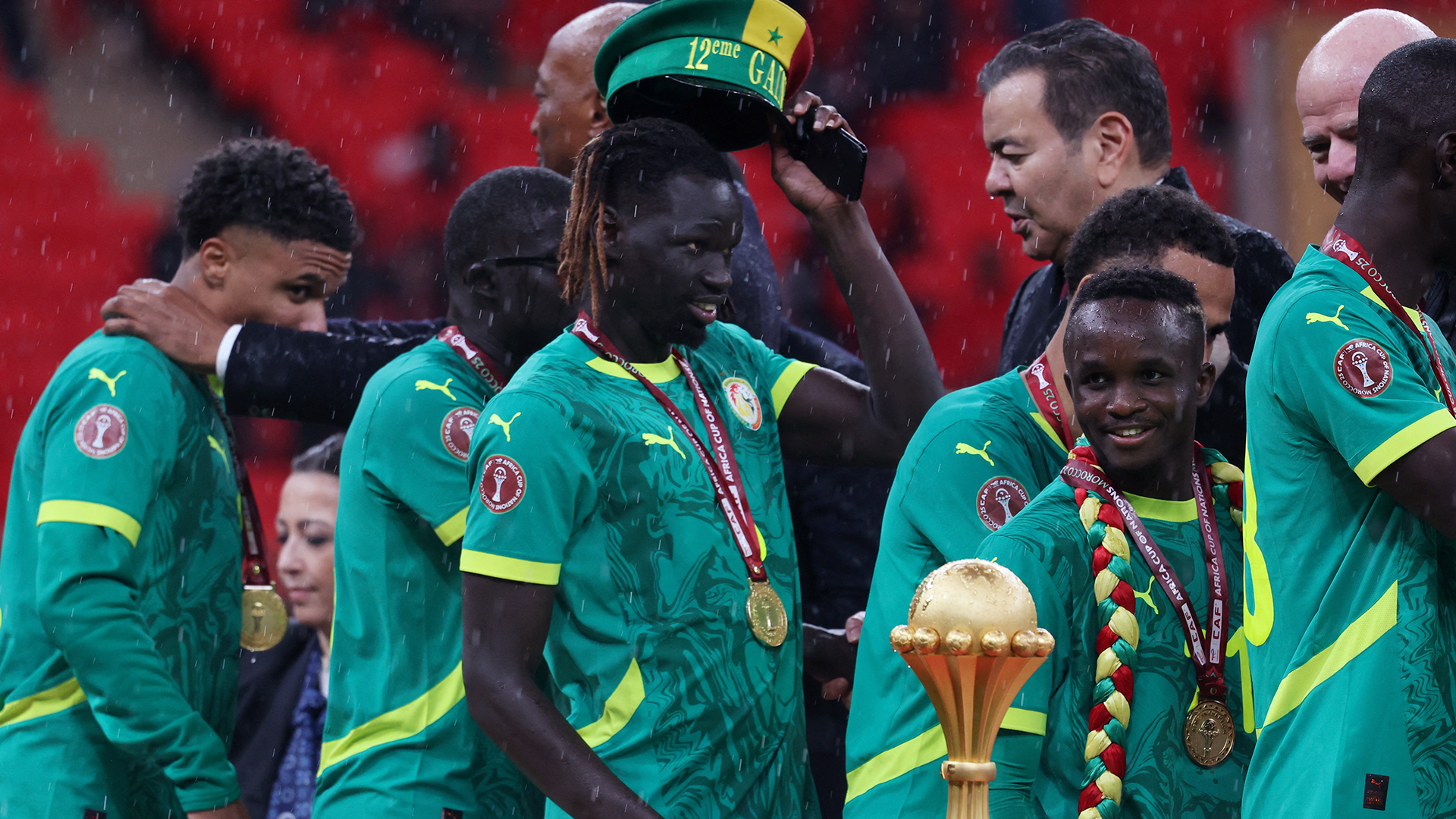
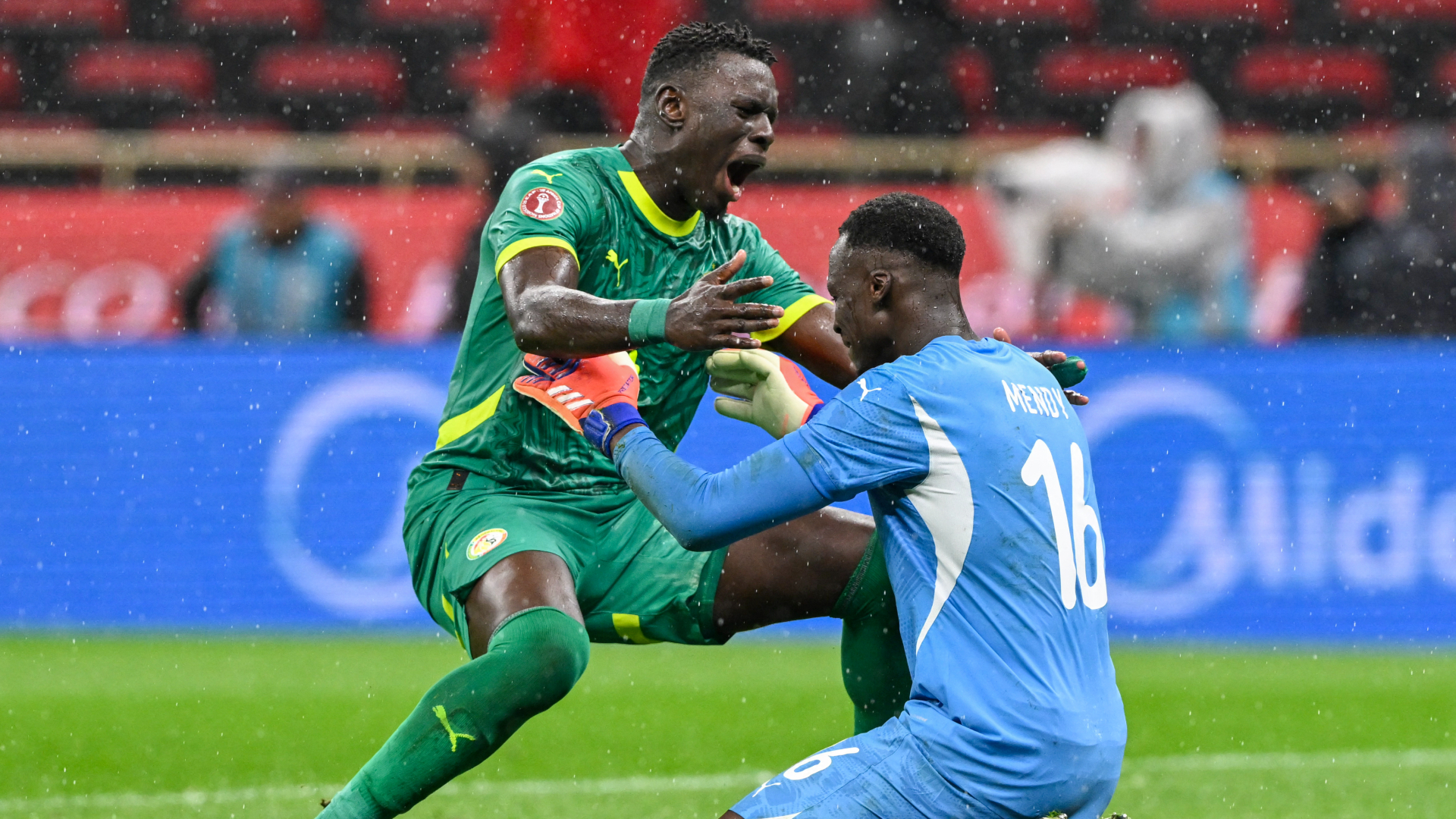
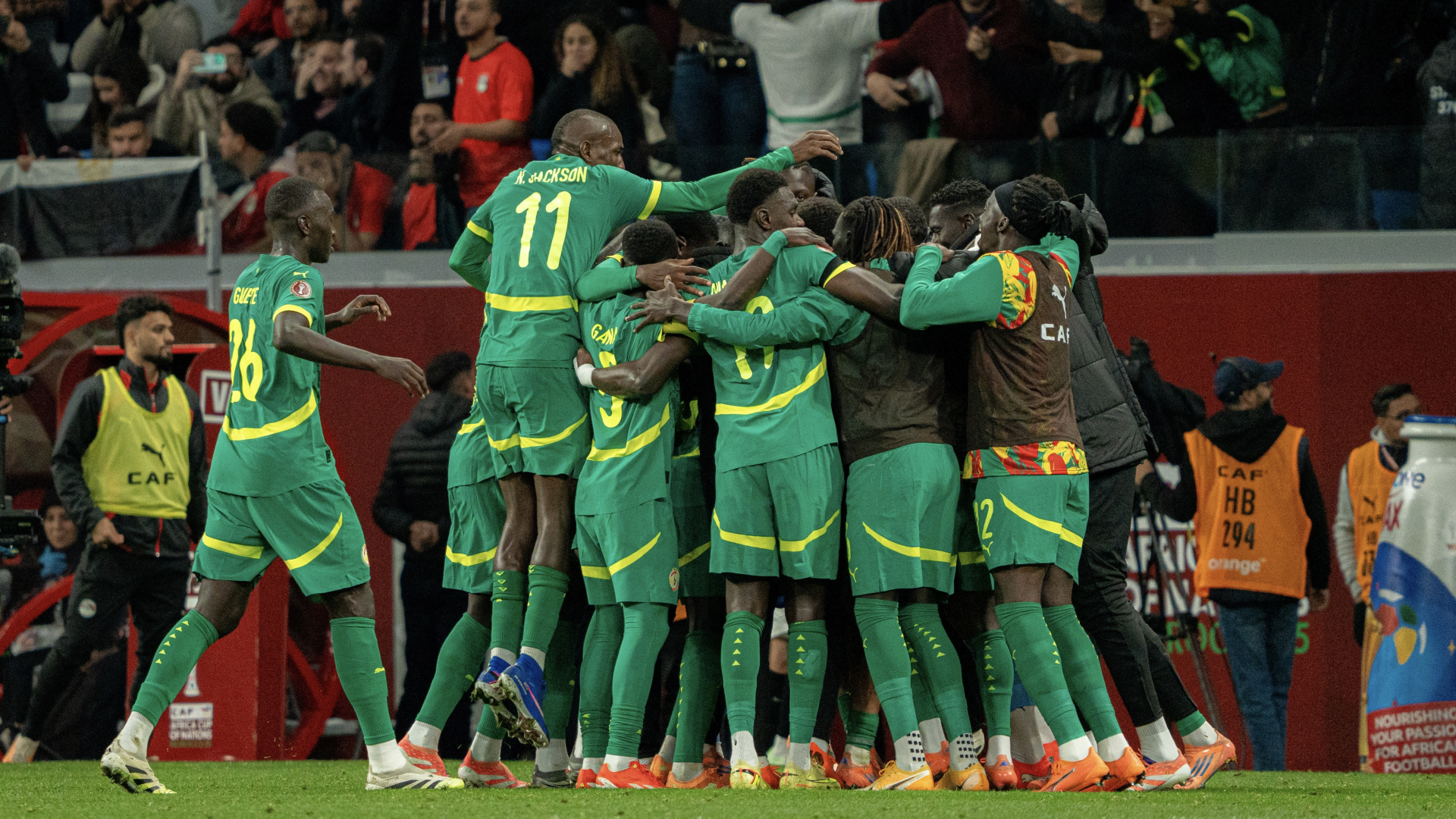
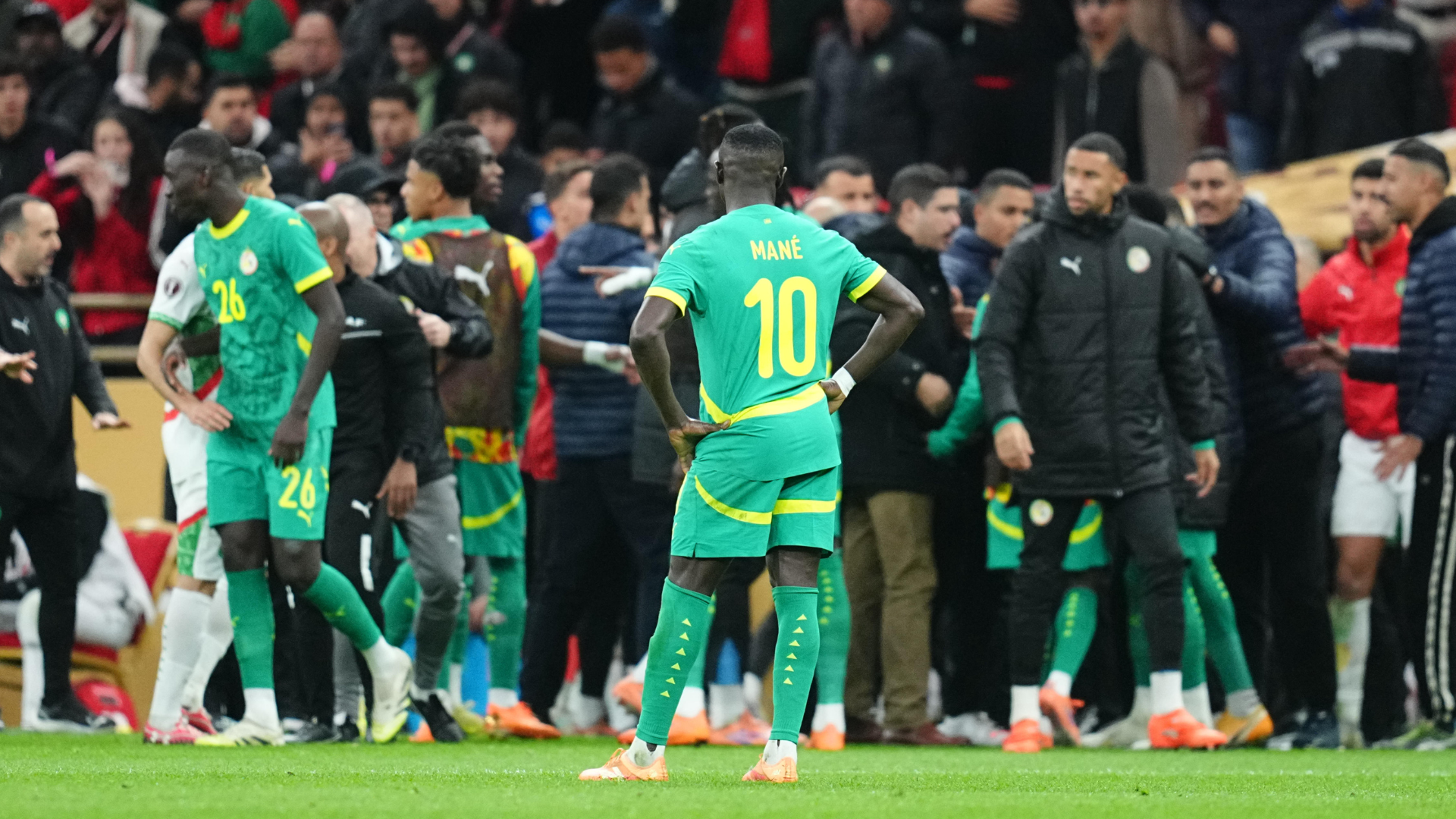
The defining moment came in the final minutes of regulation time. Brahim’s missed penalty could have changed the course of the match, but the 0–0 draw sent the game to extra time, where Senegal found the winning goal. A cruel ending that stood in stark contrast to the level the attacker displayed throughout the competition.
Even so, institutional voices reinforced a message of support, stressing that football is also shaped by defeat, and that the journey matters as much as the final result.
Pride, learning, and what lies ahead
Ajanuch also praised the Moroccan national team for its “fighting spirit” and “clear efforts,” acknowledging that “football has victories and defeats” and that this time “luck was not on our side.”
For Brahim, the message was unmistakable: the mistake does not define his tournament or his relationship with Morocco.
AFCON ended without the trophy, but with one certainty firmly established across the country — Brahim Díaz is now part of Morocco’s footballing heart, and his story with the national team is only just beginning.