
- Home >
- Soccer >
- CAF Africa Cup of Nations >
- Luis Enrique Also Defends Brahim: “He Is Not a Murderer”
Luis Enrique Also Defends Brahim: “He Is Not a Murderer”
The missed penalty continues to spark debate, but a respected voice from European football stepped in. Luis Enrique defended Brahim and called for perspective.
A Penalty That Still Echoes Across Africa
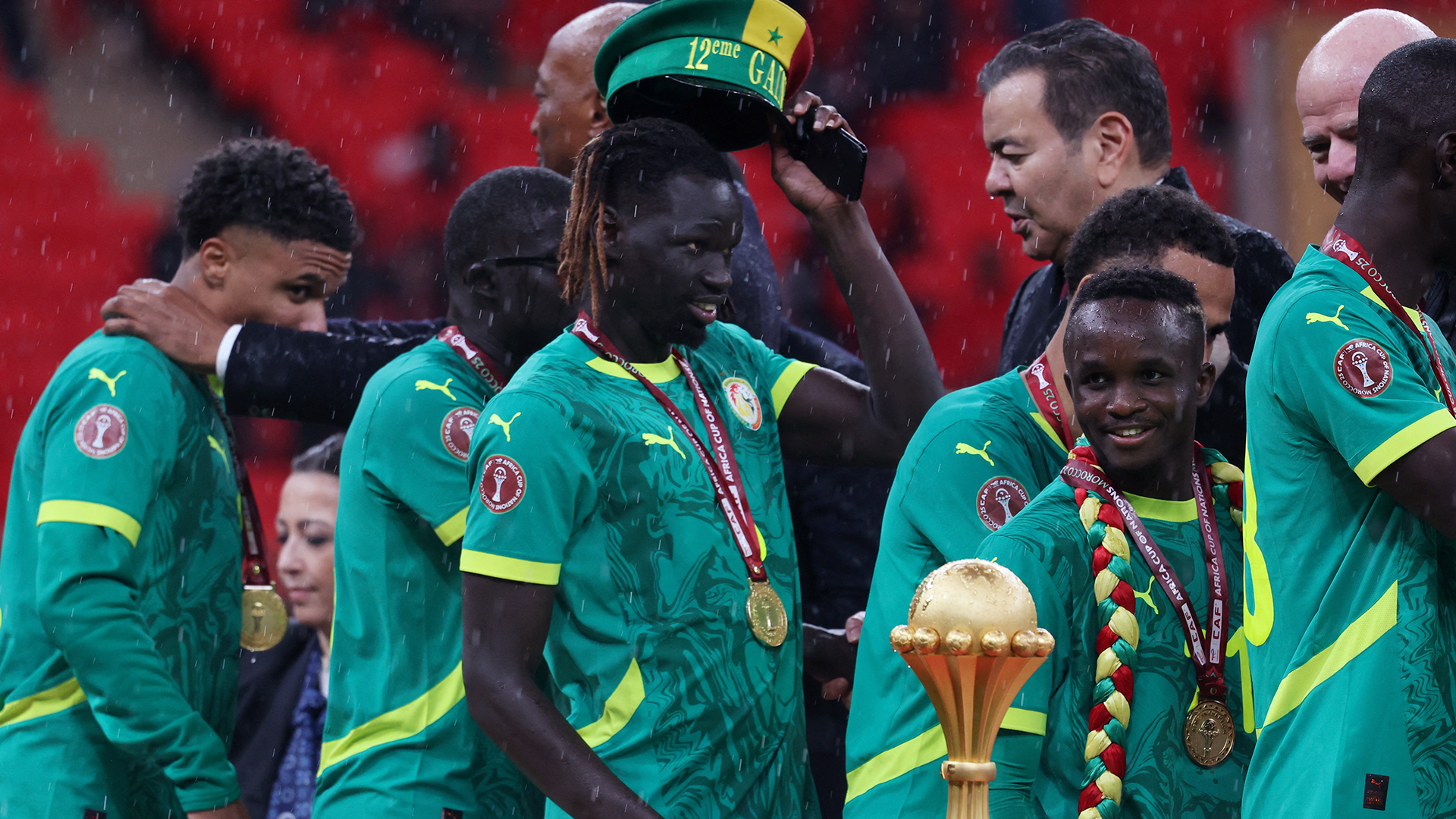
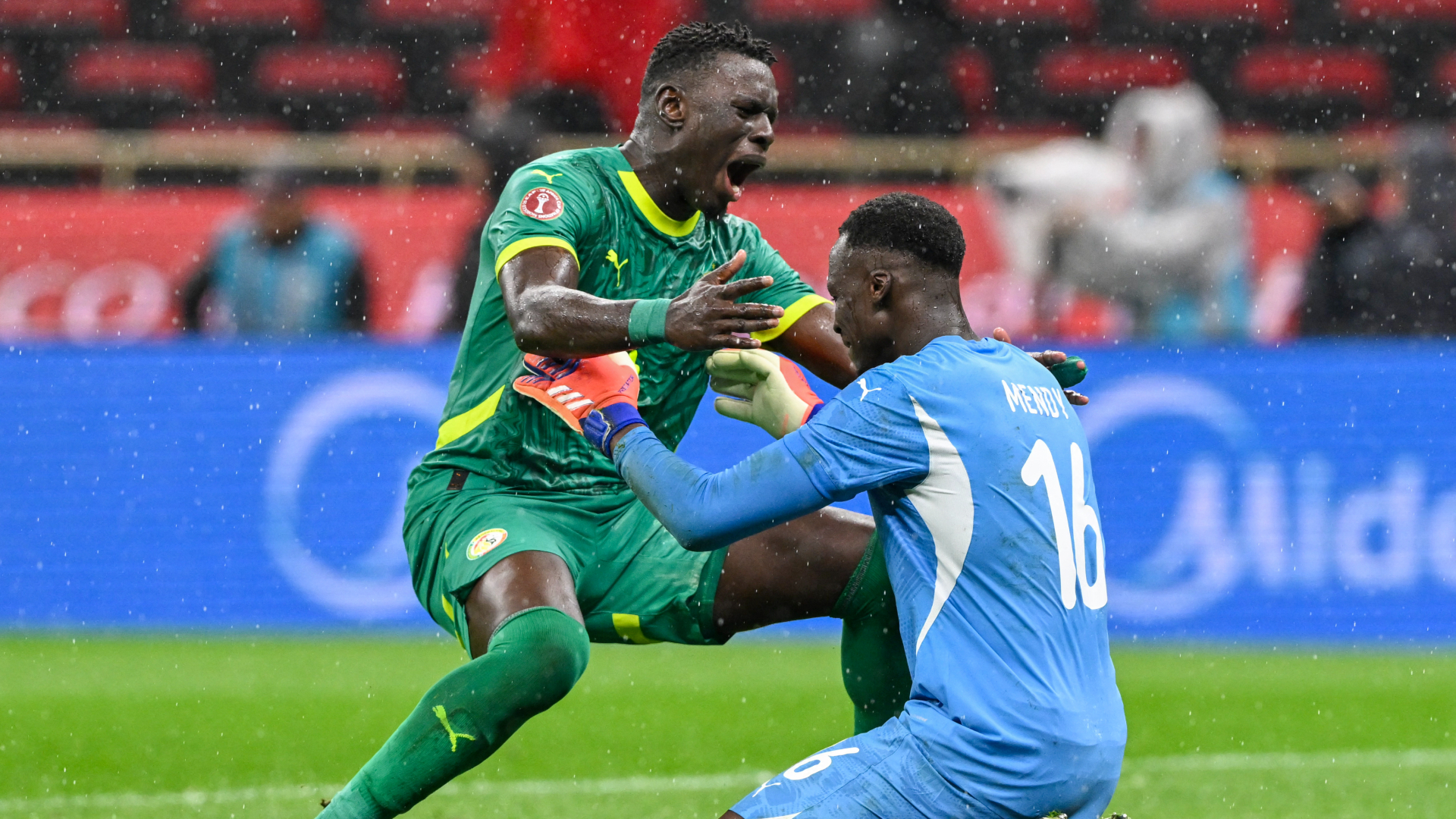
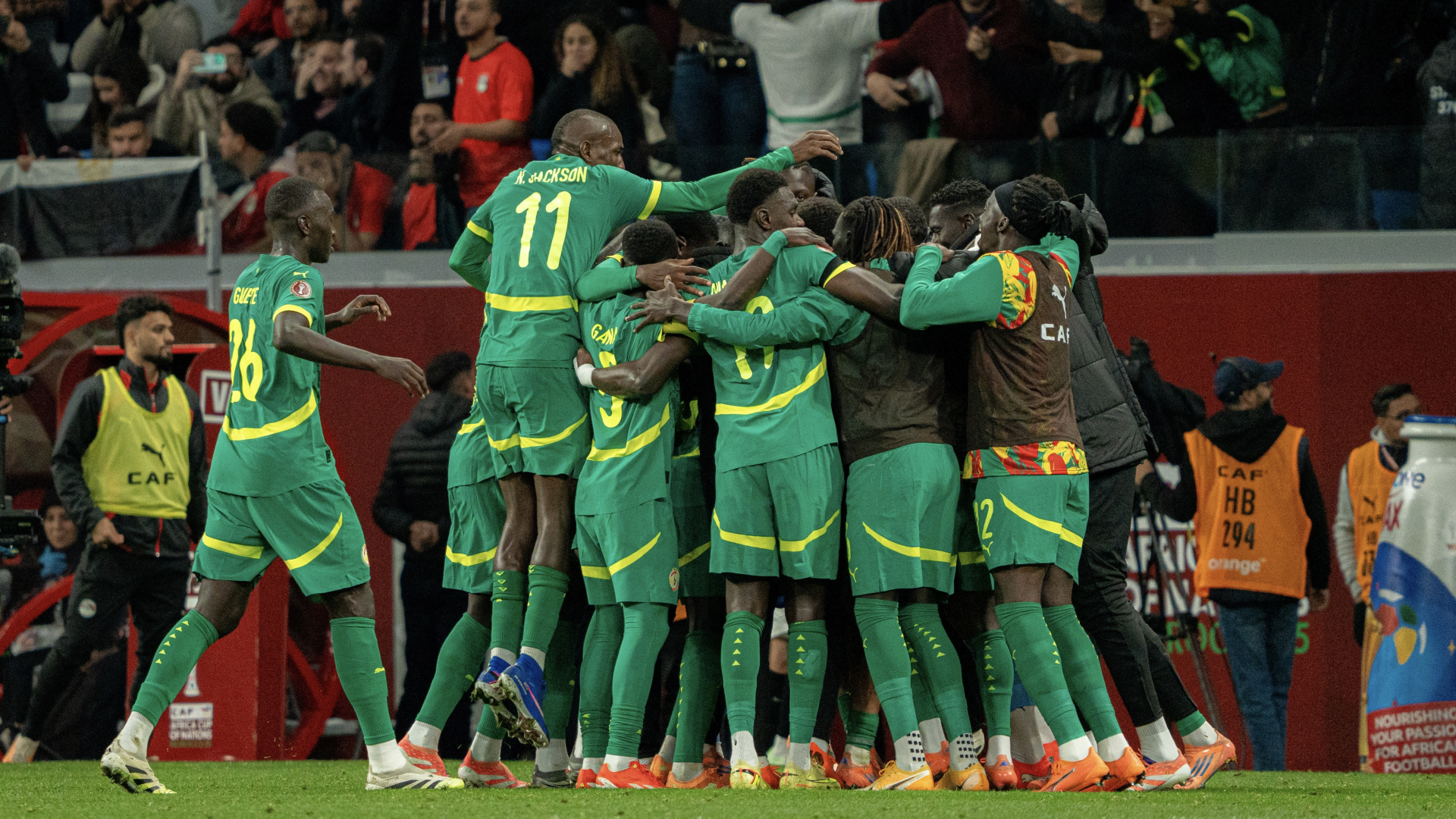
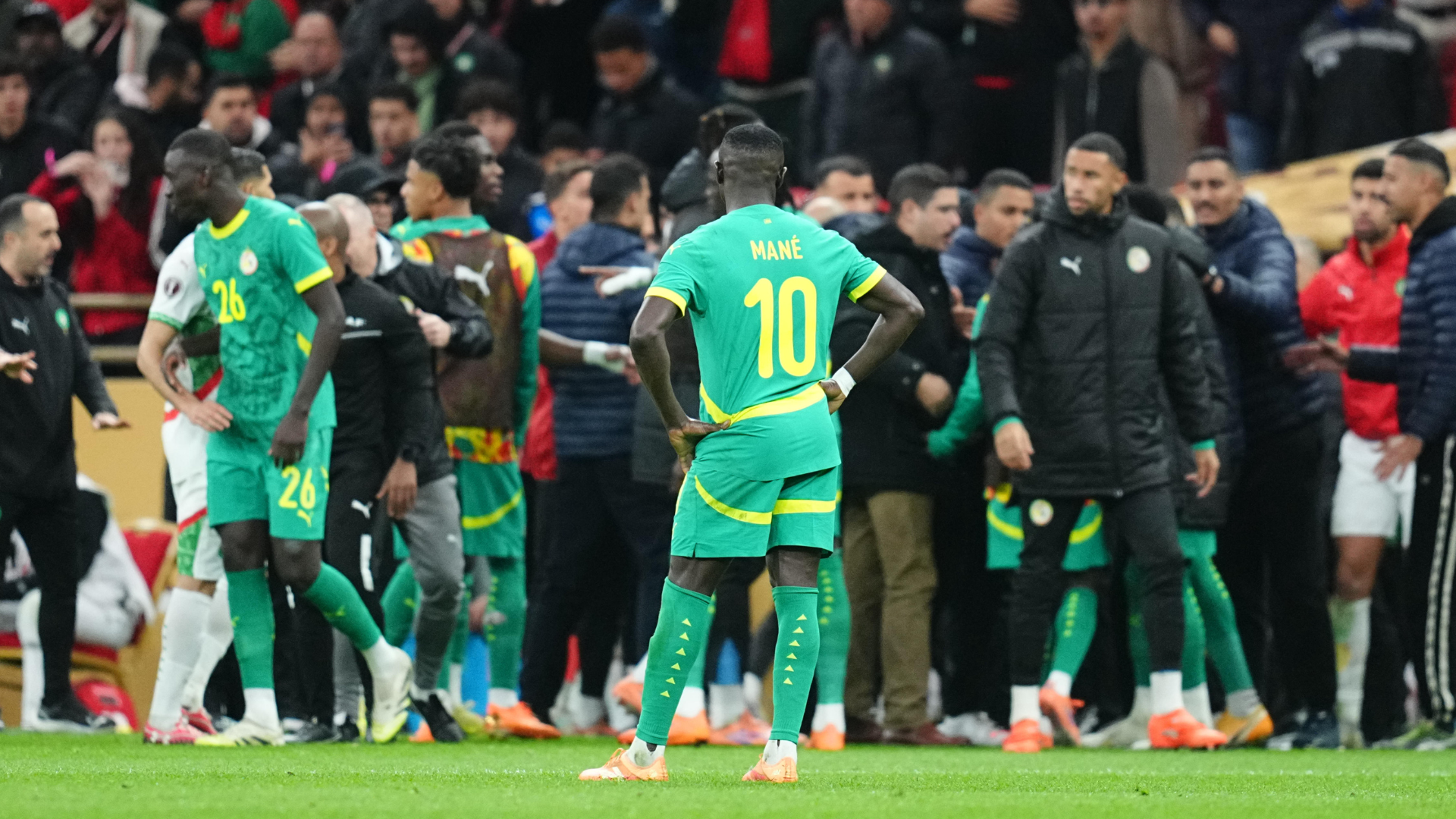
The Panenka-style penalty missed by Brahim Díaz in the Africa Cup of Nations final against Senegal continues to fuel debate well beyond Morocco. The moment, which could have changed the course of the match, ultimately condemned the host nation and placed the Real Madrid forward under intense scrutiny.
Criticism followed immediately, but so did voices calling for a fairer and more human interpretation of the episode.

Luis Enrique Adds Context—and Perspective
One of the most significant defenses came from Paris. Speaking ahead of the Champions League clash between Sporting CP and Paris Saint-Germain, Luis Enrique addressed the situation directly.
“We talked about it today on the bus. Everyone is talking about Brahim, but I remember Zinedine Zidane, who is a god of football, and he did it in a World Cup final.”
The PSG coach also referenced Sergio Ramos, emphasizing how narratives often depend solely on the outcome:
“If you score, everyone applauds. If you miss, the negative comments come.”

A Divided Nation and a Wounded Player
In Morocco, Brahim’s figure has sparked sharply divided reactions. While some fans have questioned his future with the national team despite his decision to represent Morocco over Spain, many others have rallied around him, offering widespread support on social media.
The player himself shared an emotional message, taking responsibility and apologizing:
“I dreamed of this title thanks to all the love you gave me. Yesterday I failed, and I take full responsibility.”
“He Is Not a Murderer—It’s Football”
Luis Enrique went beyond tactical analysis and focused on values. Recalling his experience with Brahim during his time as Spain’s national team coach, he delivered a powerful message:
“Brahim Díaz is a magnificent player and a very good person. I understand how difficult it is to accept, but it’s sport—nothing more.”

He concluded with a statement that defined his stance:
“He is not a murderer or a bad person. It’s important to say that.”
The missed penalty will remain part of the collective memory, but Luis Enrique’s words point to something deeper: in elite football, mistakes are part of the journey—and humanity should never be lost along the way.