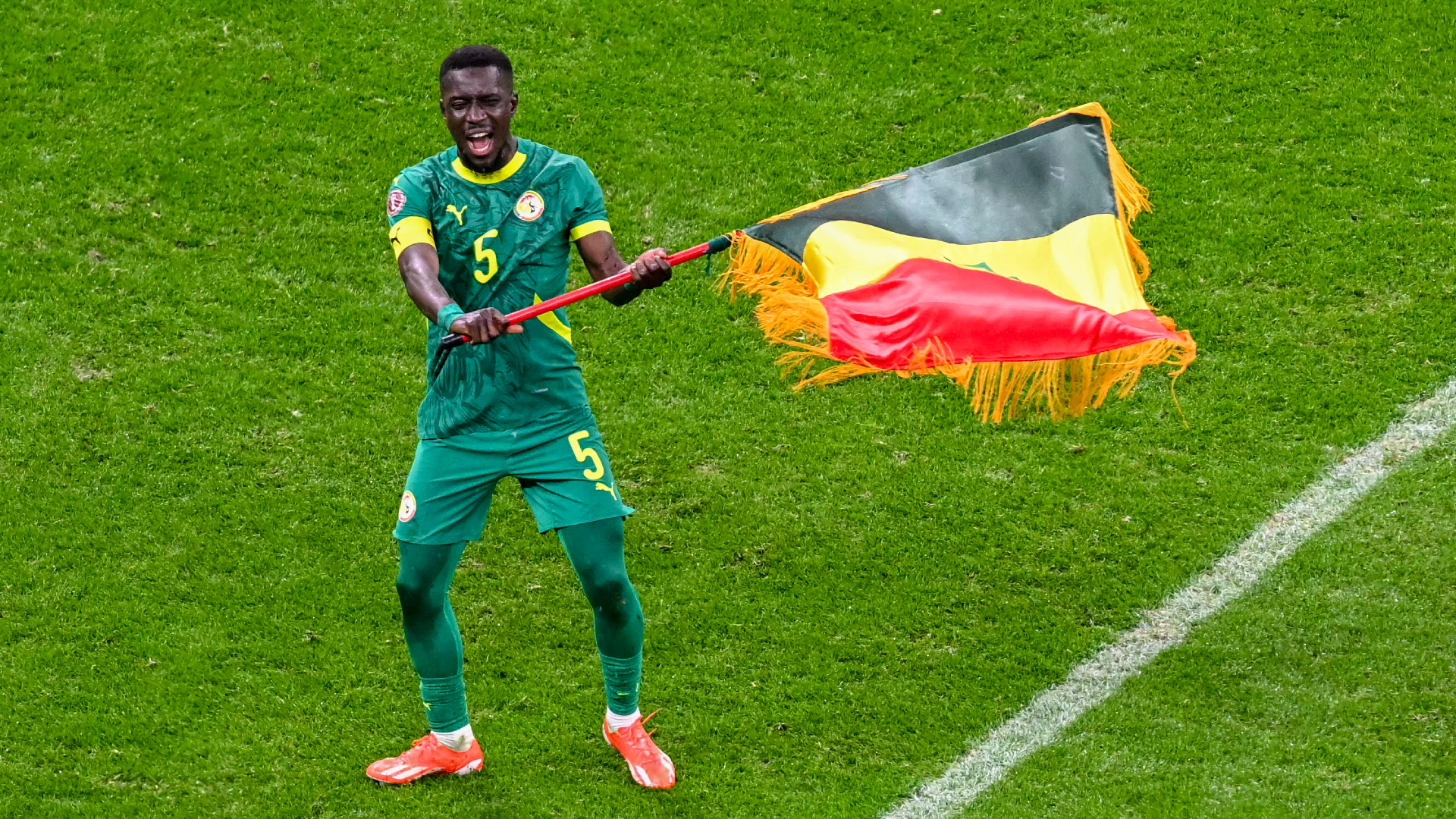

African Coaches Are in Control at AFCON 2025
The semifinals reveal more than just title contenders. At AFCON 2025, the real statement is being made on the touchline.
All the excitement of AFCON 2025 is available exclusively on beIN Sports.
A Historic Milestone at the Africa Cup of Nations
AFCON 2025 has reached a landmark moment. For the first time in the tournament’s history, all four semifinalists are coached by African managers, ensuring that the trophy will once again be lifted by a homegrown tactician. It marks the fourth consecutive AFCON edition won under African leadership from the bench.
This scenario is no coincidence. It reflects a broader shift across the continent, where African coaches are no longer viewed as secondary options but as architects of success, trusted to lead at the highest level.
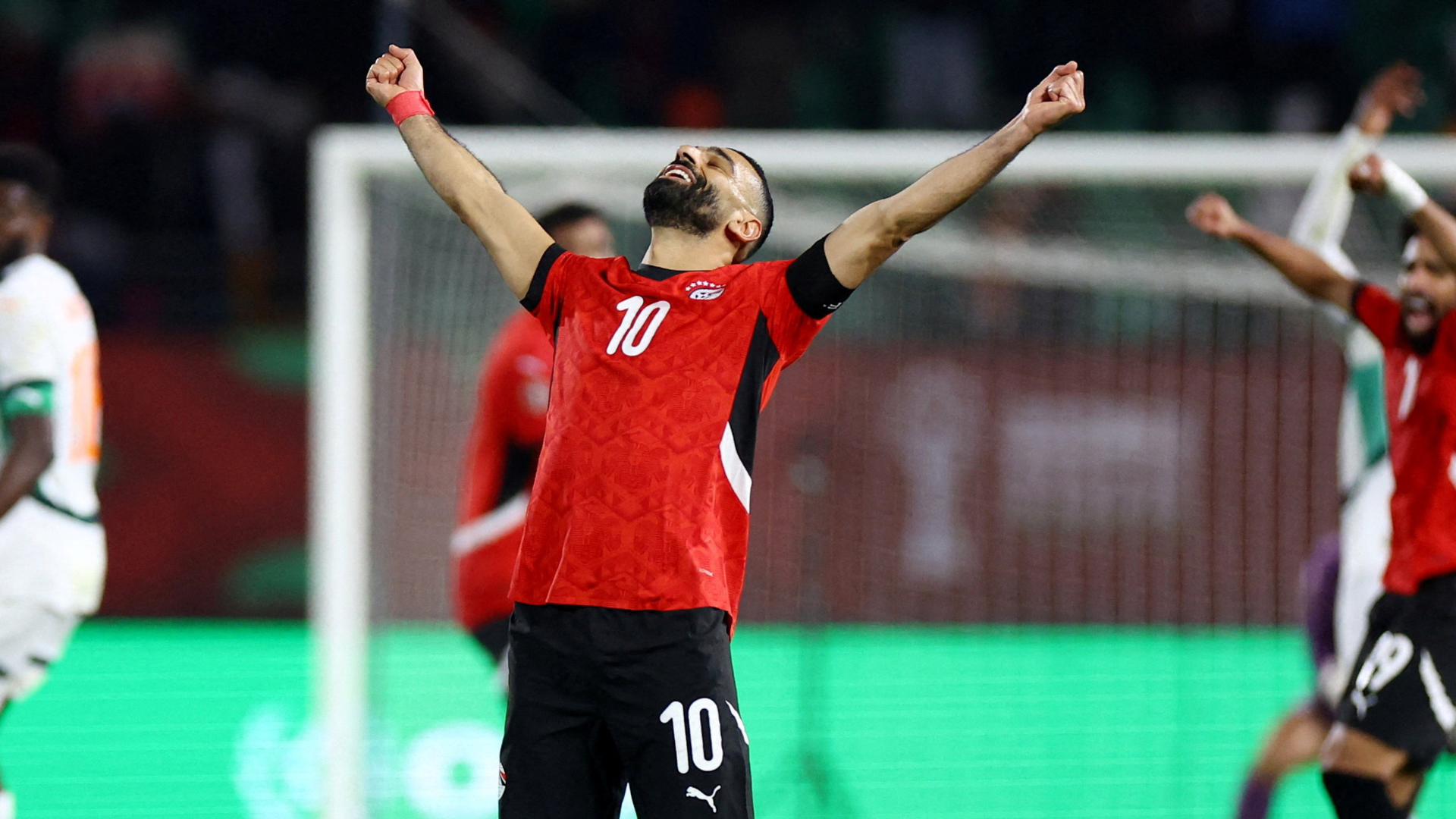
A Trend Built on Recent Champions
The blueprint was laid years ago. Djamel Belmadi guided Algeria to the title in 2019, Aliou Cissé delivered Senegal’s historic first crown in 2021, and Émerse Faé led Côte d’Ivoire to glory in 2023. Each triumph reinforced the value of local knowledge, cultural understanding, and tactical clarity.
Now, Walid Regragui (Morocco), Hossam Hassan (Egypt), Pape Thiaw (Senegal), and Eric Chelle, leading Nigeria, have the opportunity to extend that dominance and further cement the authority of African coaches on the continental stage.

The Numbers Tell the Story
Statistics from AFCON 2025 underline this reality. 15 of the 24 teams in the tournament were led by African coaches, 11 advanced beyond the group stage, and teams managed by local tacticians account for 75% of all victories so far.
Beyond raw numbers, these figures speak to cohesion, discipline, and adaptability. African coaches have consistently demonstrated a deeper connection with their squads, combining emotional intelligence with tactical precision in high-pressure environments.
Legacy, Identity, and the Future
Only two African legends — Mahmoud El-Gohary and Stephen Keshi — have won the AFCON both as players and as coaches. Hossam Hassan could join that exclusive group if he leads Egypt to the 2025 title, adding another layer of historical significance to this edition.
As AFCON 2025 enters its decisive stages, one conclusion is undeniable: African coaches are firmly in control. Whoever lifts the trophy, it will represent more than national success — it will be a celebration of African football knowledge, leadership, and a legacy that continues to shape the future of the game on the continent.