
Formula 1 Reinvents Its Future: Inside the New 2026 Era
Formula 1 has unveiled its 2026 regulations: smaller and lighter cars, 100% renewable fuel, the elimination of DRS, and the arrival of teams like Cadillac and Audi. The pinnacle of motorsport is preparing for a historic transformation on and off the track.
Formula 1 is already looking firmly toward 2026. With a new championship cycle on the horizon, the organization has officially released the first version of the Technical Regulations, set to dramatically reshape the cars, race dynamics, and several key sporting rules. The regulation must be ratified by the World Motor Sport Council before June 28 in order to come into force.
The most structural change concerns the power units: engines will run on 100% renewable fuel, and the MGU-H will be eliminated. This shift will significantly impact car design and energy management. The new cars will be smaller and lighter: wheelbase reduced from 3.6 meters to 3.4 meters, minimum weight lowered from 798 kg to 768 kg, and overall width trimmed from 2.0 meters to 1.9 meters. The front wing and floor will also be 100 mm narrower, the beam wing will disappear, the diffuser will be less powerful, and front tires will shrink from 305 mm to 280 mm.
One of the most notable changes is the removal of DRS. In its place, the FIA will introduce an active aerodynamics system with two modes: “Z mode,” usable in corners, and “X mode,” designated for straights. Drivers will be able to activate it in permitted zones without relying solely on being within one second of the car ahead.
Sporting regulations will also see adjustments. Q3 will be extended from 12 to 13 minutes, the fastest lap will no longer award points, and the Monaco Grand Prix will remove the mandatory two-stop rule. From 2025, teams must run more rookie drivers during free practice sessions, and starting in 2026 there will be three three-day pre-season tests.

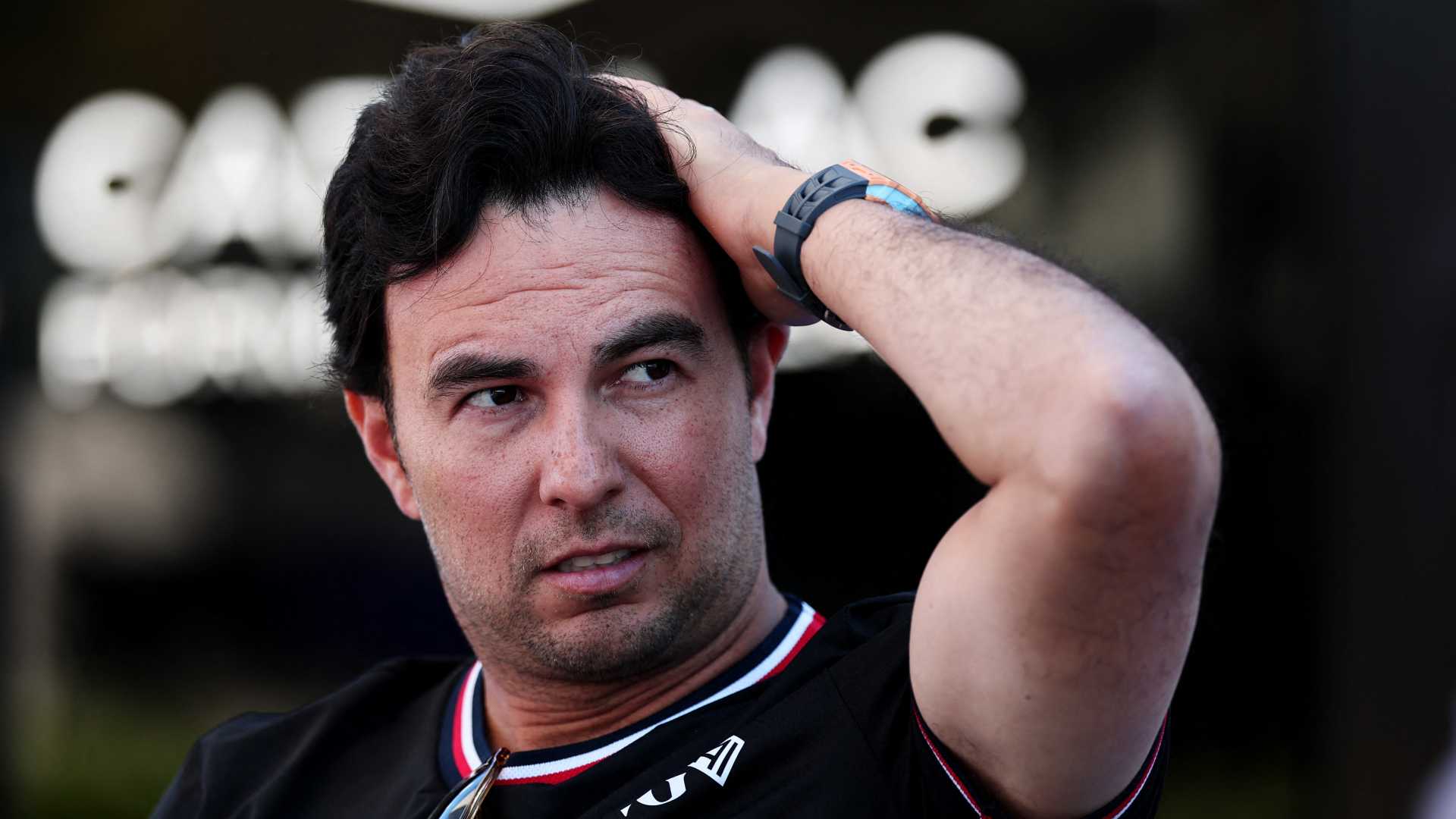
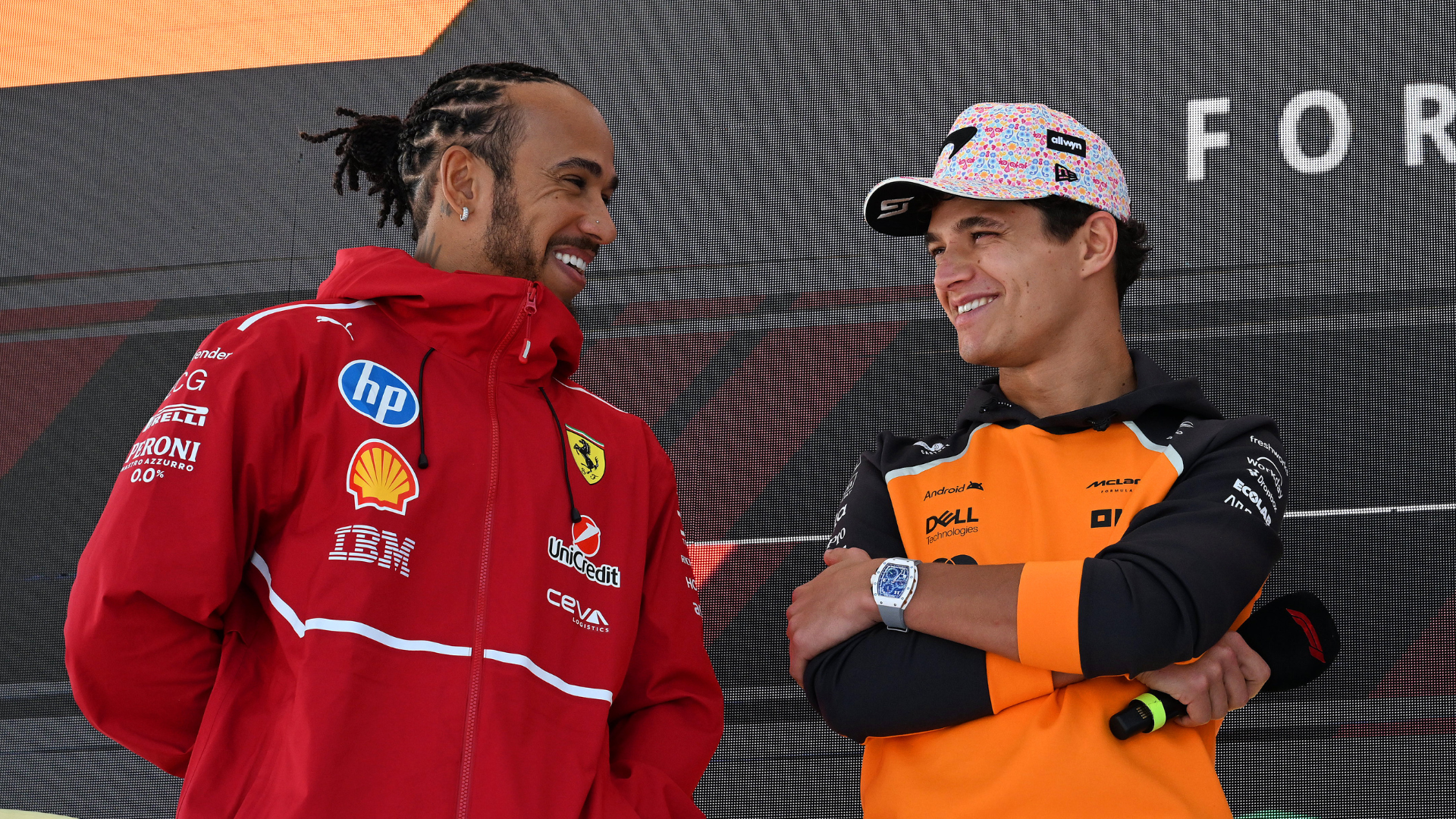
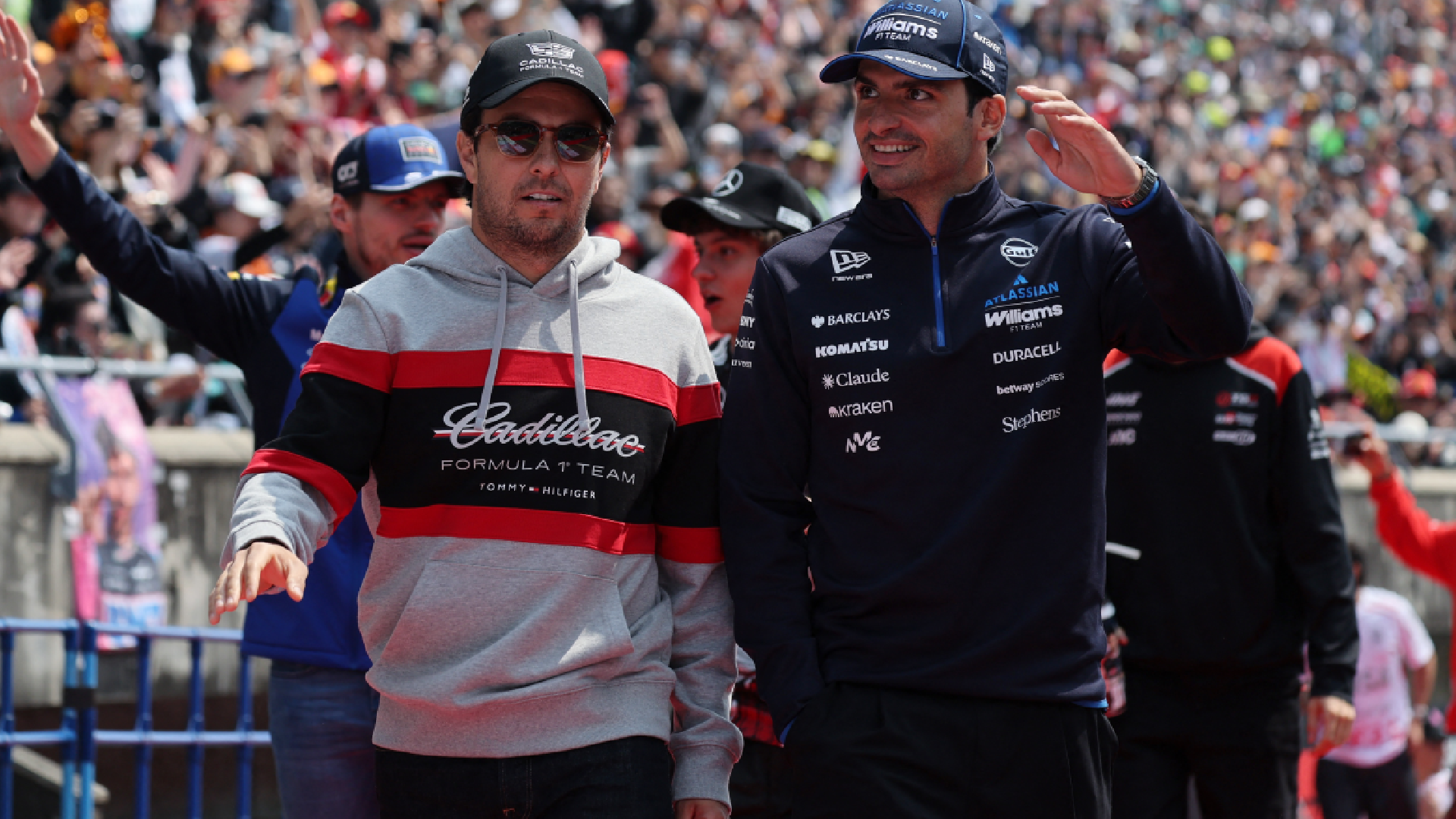
The grid itself will undergo major changes. Cadillac will debut as the 11th team with Sergio Pérez and Valtteri Bottas, while Audi will take full control of Sauber. At the front, Max Verstappen will partner Isack Hadjar at Red Bull, and Ferrari will maintain its star pairing of Lewis Hamilton and Charles Leclerc.
F1 2026 promises to mark the beginning of a new era: more sustainable, more technological, and potentially more competitive than ever before.