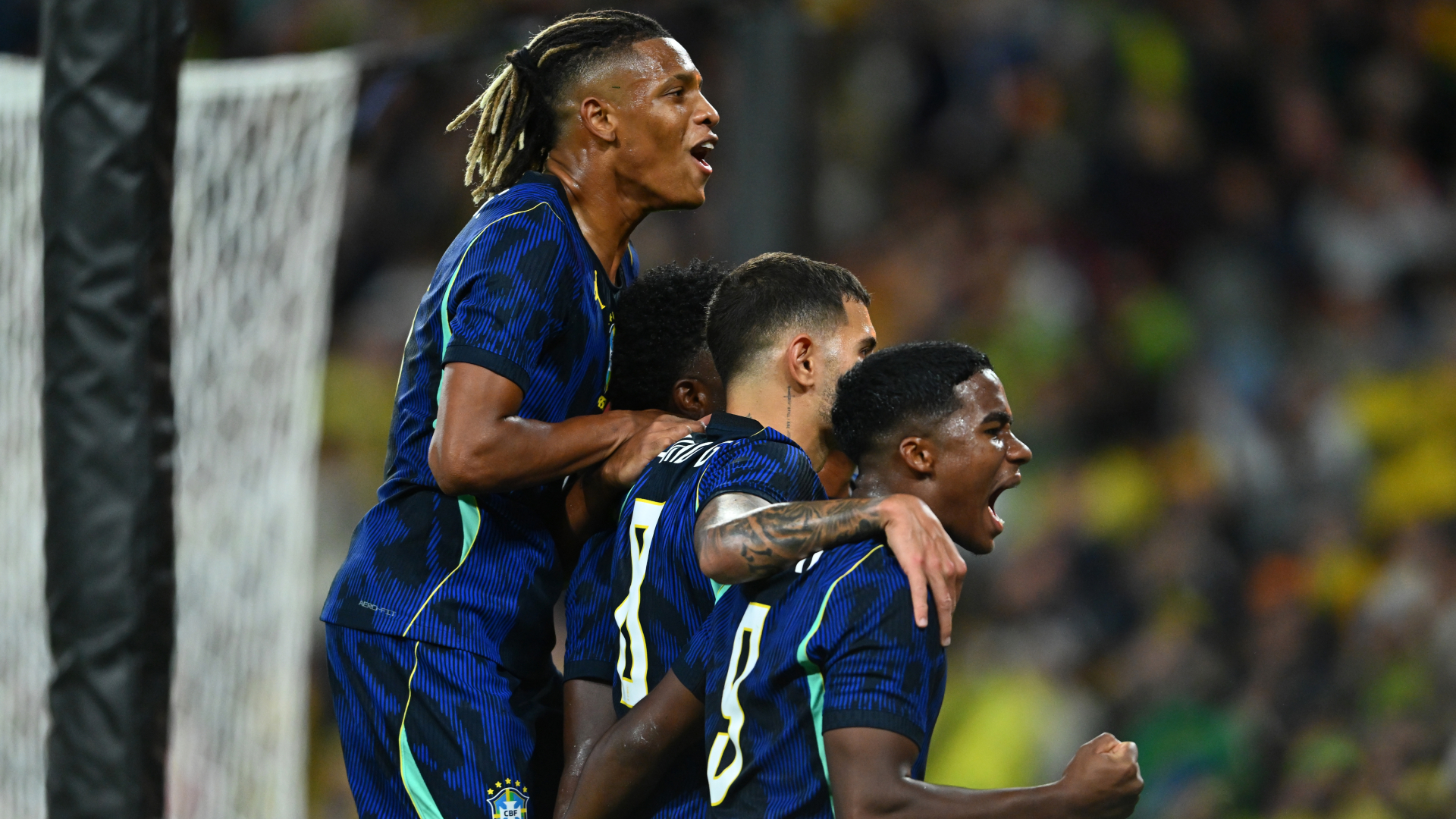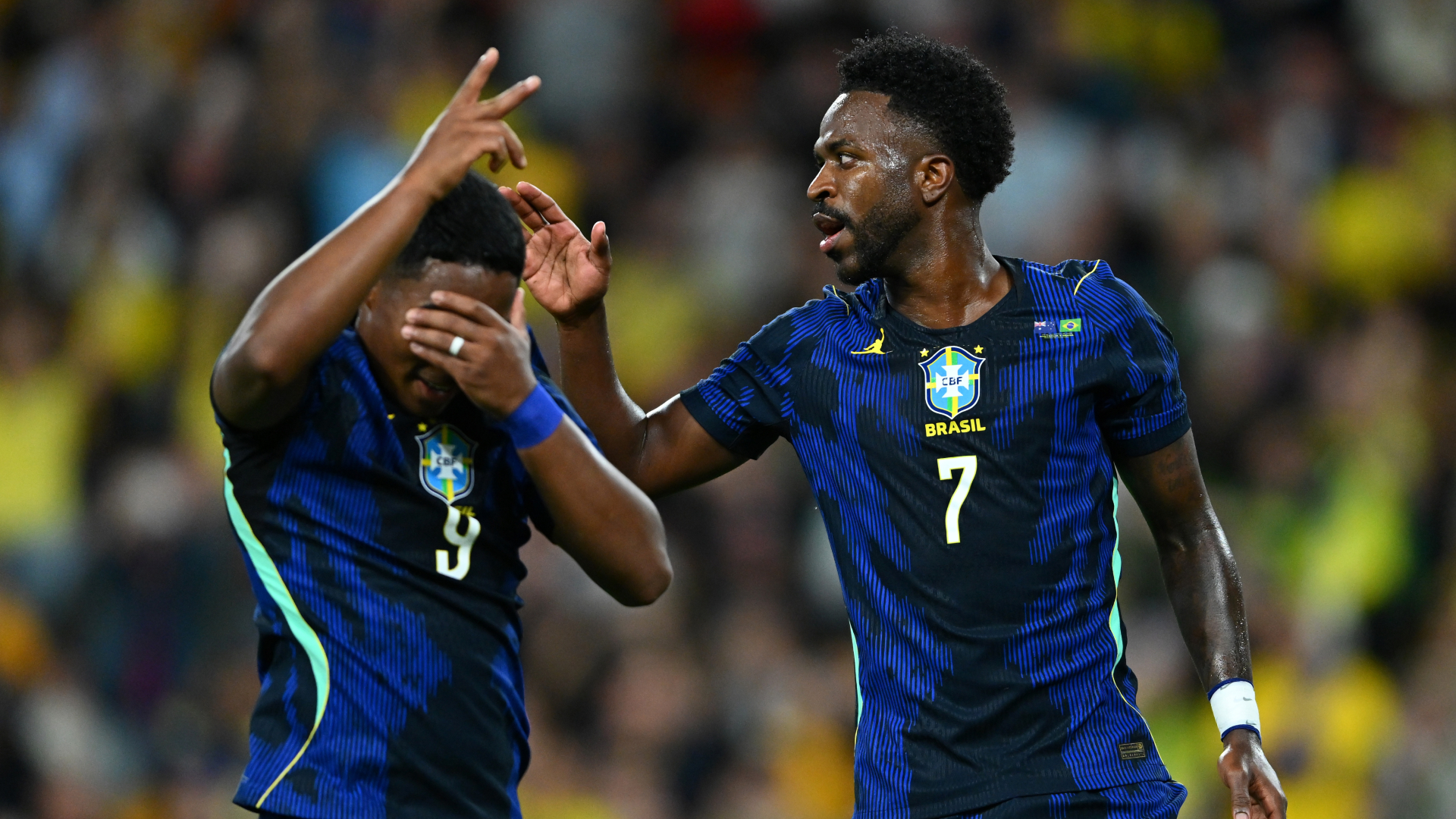

Three wins from the 29 matches played across North America were a meagre return for the nine nations representing a region comprising more than half of the world's population on the sport's greatest stage.
Lack of individual quality holding Asia back
Asia's flimsy 2026 FIFA World Cup challenge finally fizzled out in Dallas on Saturday (AEST) with Australia's penalty shootout loss to Egypt extinguishing the confederation's hopes of salvaging anything positive from a dismal campaign.
Despite sending the largest contingent in its history to the FIFA World Cup, no Asian nation qualified for the Round of 16 for the first time since Brazil in 2014.
The failings of the region's leading lights were familiar.
Japan and Australia were defeated in the first knockout round, just as Japan was in 2018 and 2022 and the Socceroos in Qatar four years ago.
Neither nation has won a match in the elimination rounds of the FIFA World Cup in eight collective attempts.
The pair did, at least, manage to progress through the group phase, unlike Korea Republic, Saudi Arabia, Iran, Jordan, Uzbekistan, Iraq and Qatar.
Of those seven, only a Korea side beset by internal issues secured a win, in its opening game against Czech Republic, before losses to Mexico and South Africa led to an acrimonious exit.
Iran, meanwhile, left the tournament undefeated after draws against New Zealand, Belgium and Egypt despite dealing with a host of off-field issues caused by the country's conflict with the United States.
"Throughout this tournament, the Asian teams were well organised, disciplined and tactically solid," former Japan and Qatar coach Philippe Troussier said.
"However, they often lacked the individual quality needed to change the course of a game.
"At a [FIFA] World Cup, good organisation is essential, but at the highest level you also need players who can create something special in one moment."
There were moments of individual quality from the Asian contingent, but they were fleeting.
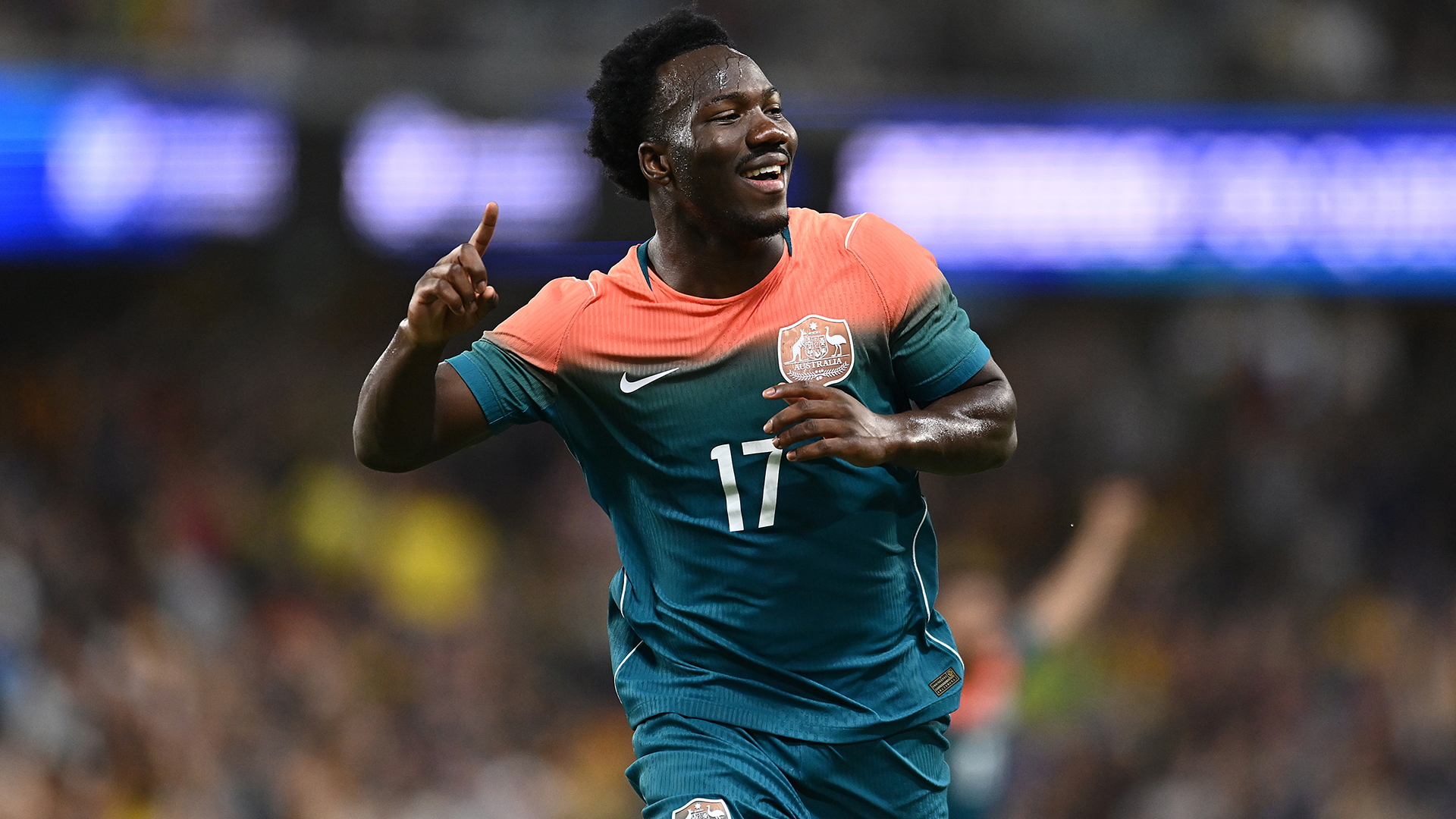
Australia's Nestory Irankunda scored a brilliant opener against Turkiye in the 2-0 win that started the Socceroos' campaign so brightly, and Conor Metcalfe's strike from distance also showed signs it could dazzle.
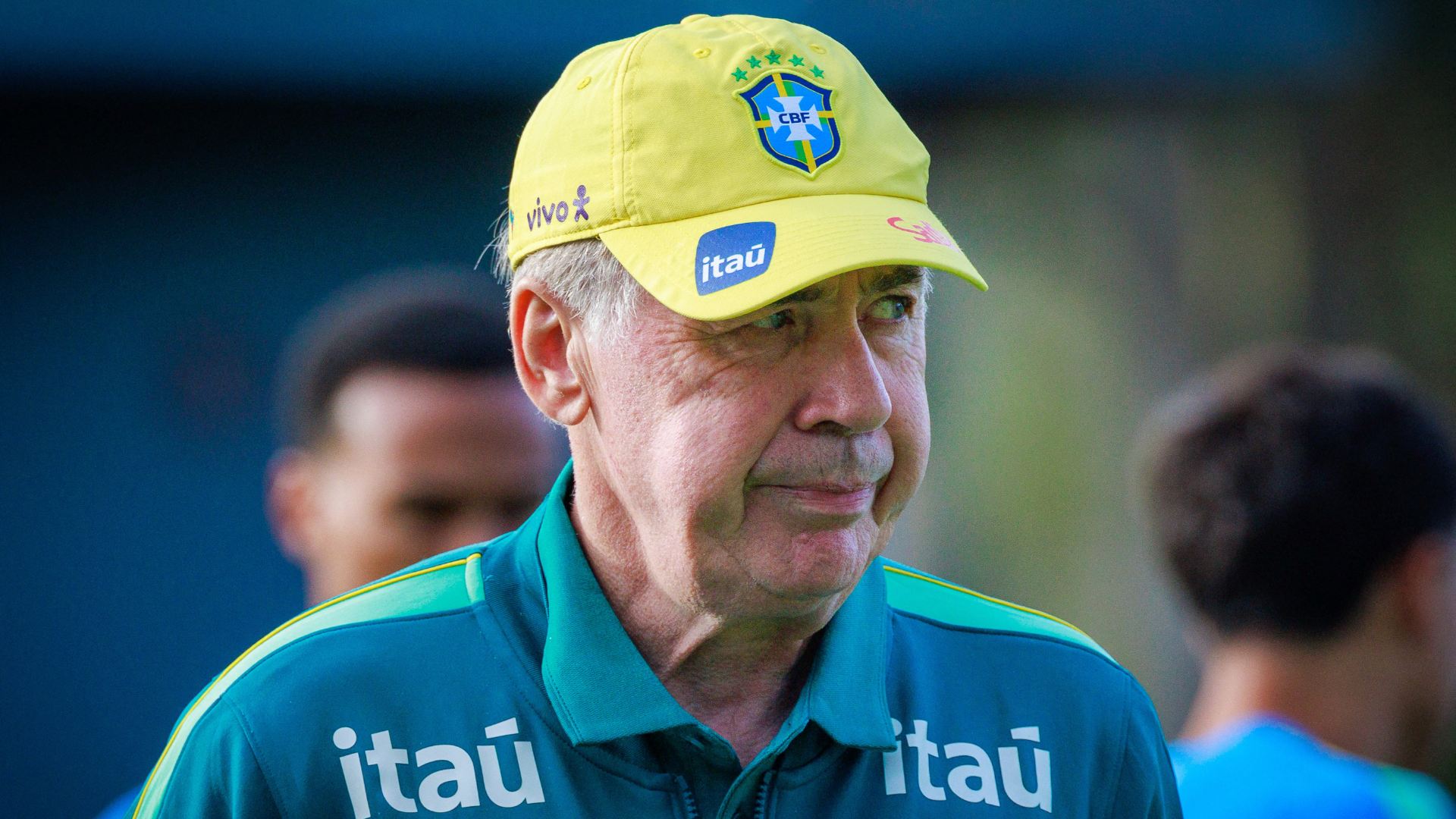
But defensive-minded decisions from coach Tony Popovic tended to keep his most creative stars in shackles. He left them on the bench for the defeat to United States, and Irankunda was played out of position in subsequent matches thereafter, barely noticeable as the Socceroos went out with a whimper against Egypt in a penalty shootout.
Eldor Shomurodov's looping strike for Uzbekistan against DR Congo was one of the goals of the tournament while Jordan's Mousa Altamari was the first player to net against defending champion Argentina in the 2026 finals.
Neither nation, both making FIFA World Cup debuts, was able to avoid losing all three group matches.
The same was true of an Iraq side making its return to the finals for the first time in 40 years but, drawn in a group alongside France, Norway and Senegal, Graham Arnold's team always faced a daunting challenge.
The performances of Saudi Arabia and Qatar were lamentable with neither of the big-spending Gulf states able to secure a victory as they finished bottom of their groups.
Asia's faltering performances drew unflattering comparisons with those of African nations, many of which have benefited hugely by tapping into their European diaspora, a resource that does not exist for many Asian countries.
"Tournaments are often decided by the quality of the substitutes as much as by the starting 11," Troussier added.
"Japan's first team was competitive, but injuries limited their attacking options when they needed them most.
"That, in my view, is the biggest difference compared with many African teams.
"They have greater depth, more players competing in Europe's elite leagues, and more experience of performing at the highest level. In a World Cup, that experience often makes the difference."