
Enrique Riquelme Fires Back and Responds to Florentino Pérez
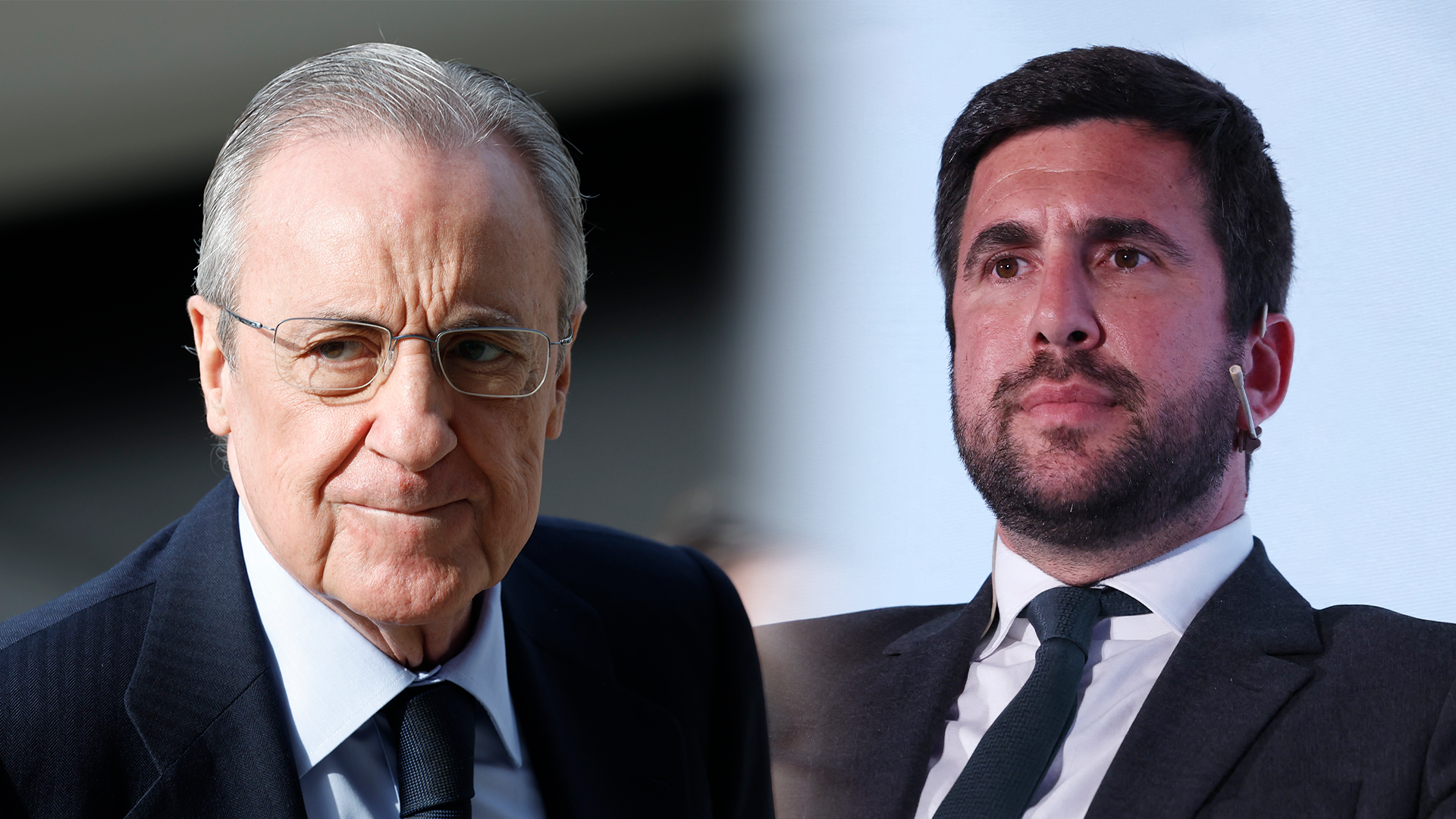
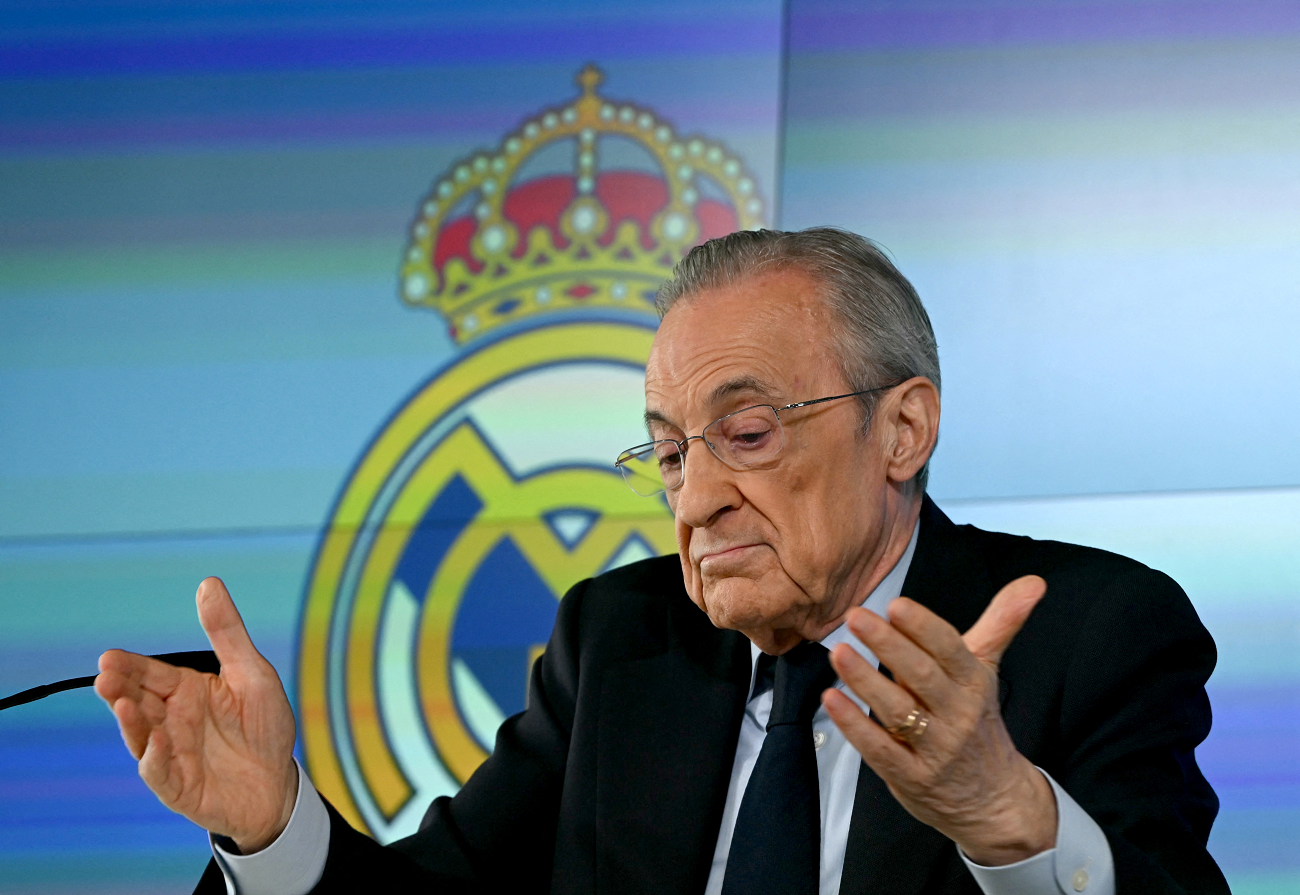
The race for the presidency of Real Madrid is beginning to heat up, and one of the most debated topics is the club’s future ownership model. Enrique Riquelme, the main opposition candidate to Florentino Pérez, responded to the current president’s recent remarks and expressed his complete opposition to any attempt to privatize the institution.
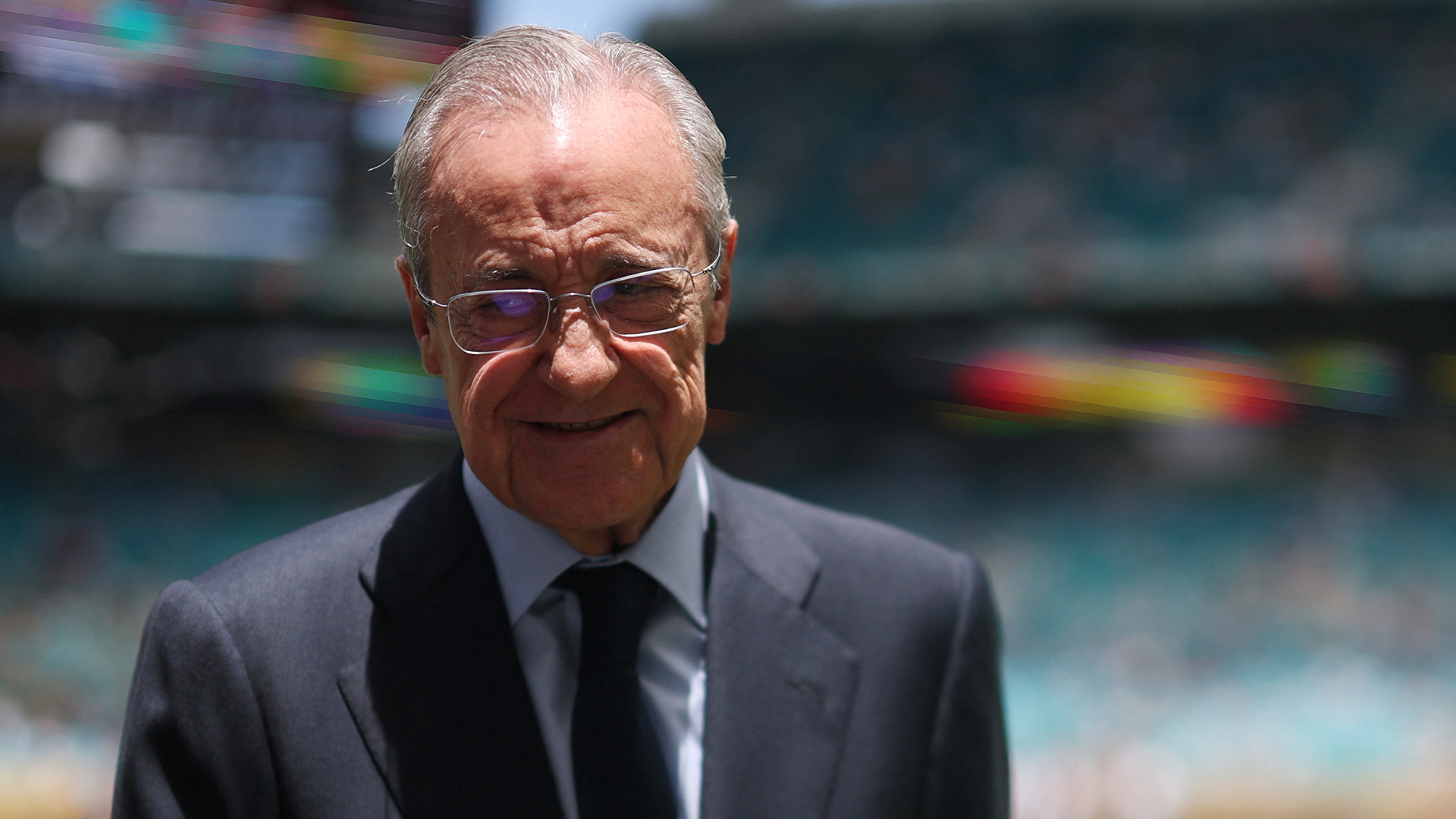
The controversy emerged after Florentino Pérez suggested the possibility of launching a process to transform the club’s ownership model if he is re-elected. His comments raised concerns among some sectors of the Madrid fan base and prompted an immediate response from Riquelme.
The businessman made his position clear, stating that Real Madrid should continue to belong to its members and should not become a corporation controlled by private investors.
“Florentino is now openly talking about privatizing the club. No more masks in the middle of a campaign,” Riquelme told reporters during a public event.
Riquelme Rejects Privatization
The candidate said that this debate was one of the reasons that motivated him to launch his presidential project and announced that he will hold a press conference to further explain the implications of such a significant change to the club’s institutional structure. He also urged members to actively participate in the electoral process and exercise their right to vote.
Currently, Real Madrid is a sports institution owned by its members. Since its founding in 1902, the club has operated under an association-based model without private shareholders, meaning that the most important decisions are made by representatives elected by the members themselves. This system makes Real Madrid one of the few major powers in European football that still maintains a traditional ownership structure.

What Would a Change in Ownership Mean?
Privatization would represent a historic shift. In practical terms, the club could open the door to external shareholders and investors, following models similar to those that dominate the Premier League and much of European football. This could allow the club to attract significant capital to fund transfers, infrastructure, and commercial projects, potentially increasing its financial power.
However, it would also significantly reduce the influence of club members. Strategic decisions would become more dependent on those holding ownership stakes, fundamentally altering the relationship between the club and its fan base.
Riquelme believes that risk is too great. For him, Real Madrid must preserve its identity and maintain a model in which supporters continue to have a voice in the institution’s future.
The club currently has more than 90,000 members with the right to participate in its institutional affairs. For many Madridistas, this system serves as a safeguard against the possibility of an investment fund or business group taking control of one of the most important organizations in world sports.
A Debate That Will Define the Election
The discussion is only beginning, but the possibility of privatization is already shaping up to be one of the central issues in the next Real Madrid presidential election. Beyond sporting results, members will have to decide what kind of club they want for the future: one that maintains its historic model of collective ownership or one that chooses to open its doors to private capital in order to compete in an increasingly demanding and global industry.