
- Home >
- Soccer >
- FIFA World Cup >
- Uruguay vs Spain in Guadalajara the Match Most Affected by the Extreme Heat of the 2026 World Cup According to Climate Central
Uruguay vs Spain in Guadalajara the Match Most Affected by the Extreme Heat of the 2026 World Cup According to Climate Central
The 2026 World Cup highlights how the climate crisis affects football; Uruguay–Spain in Guadalajara will be crucial both in sports and environmental terms.
The determining climatic feature of the World Cup
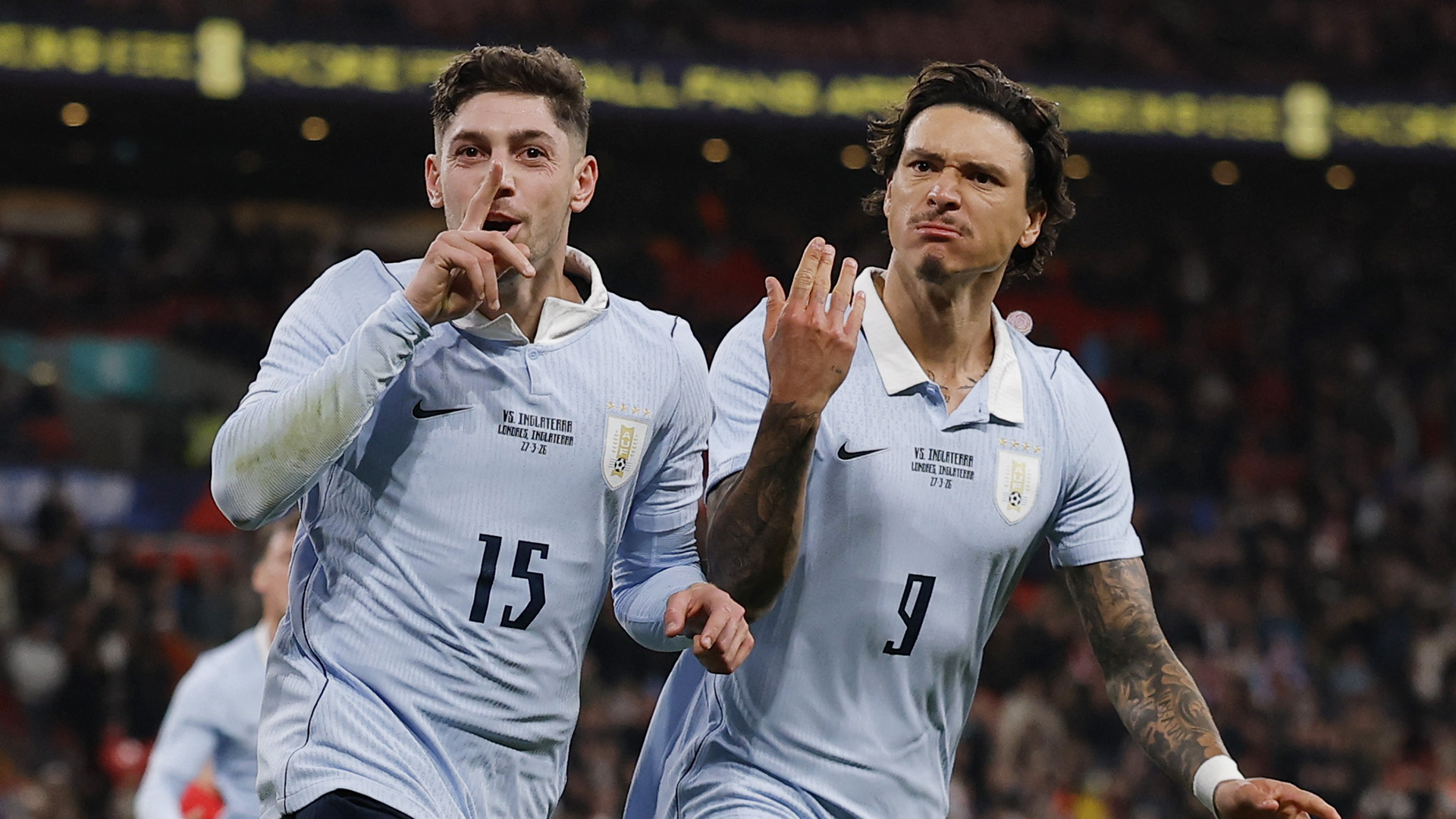
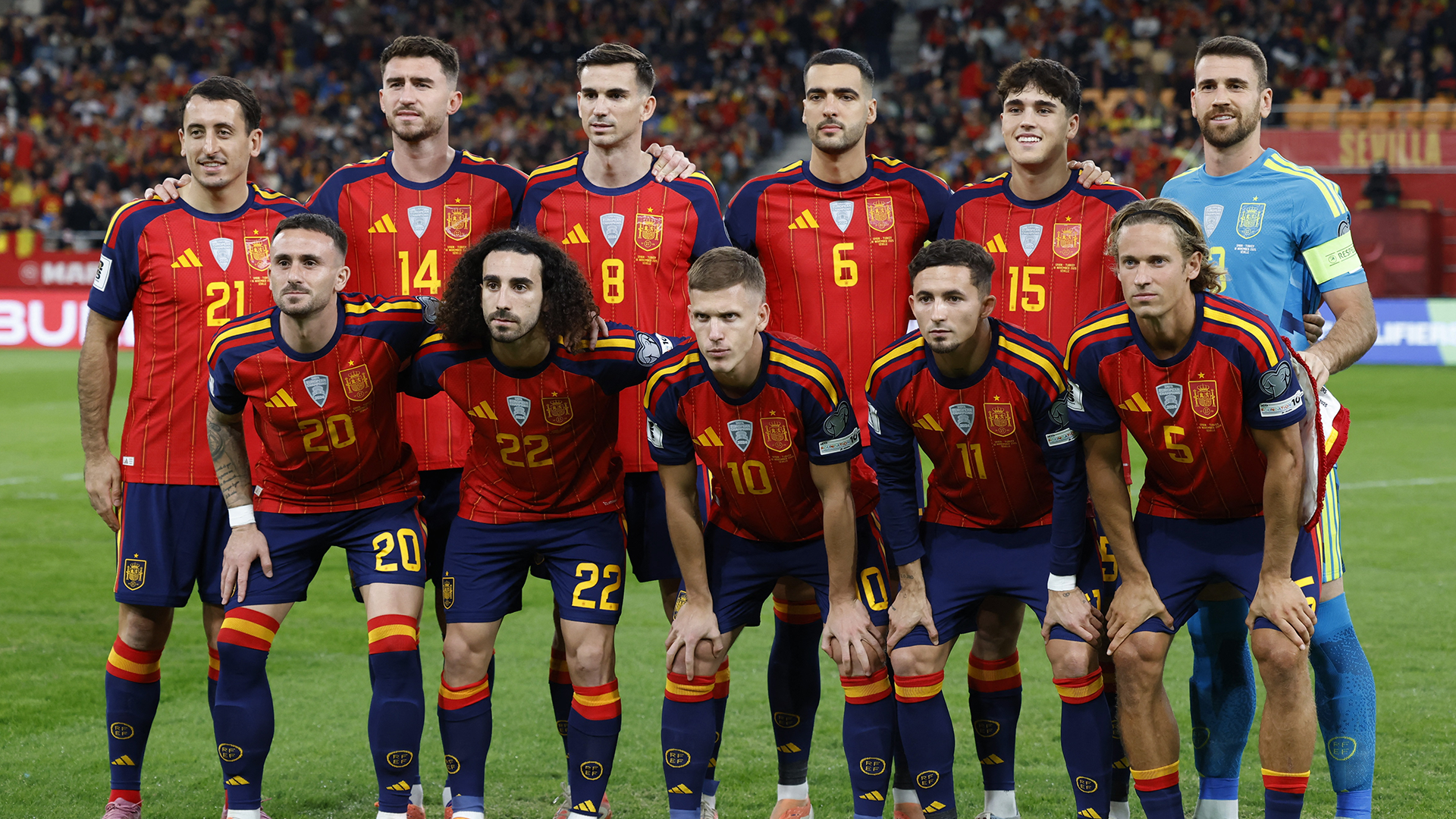
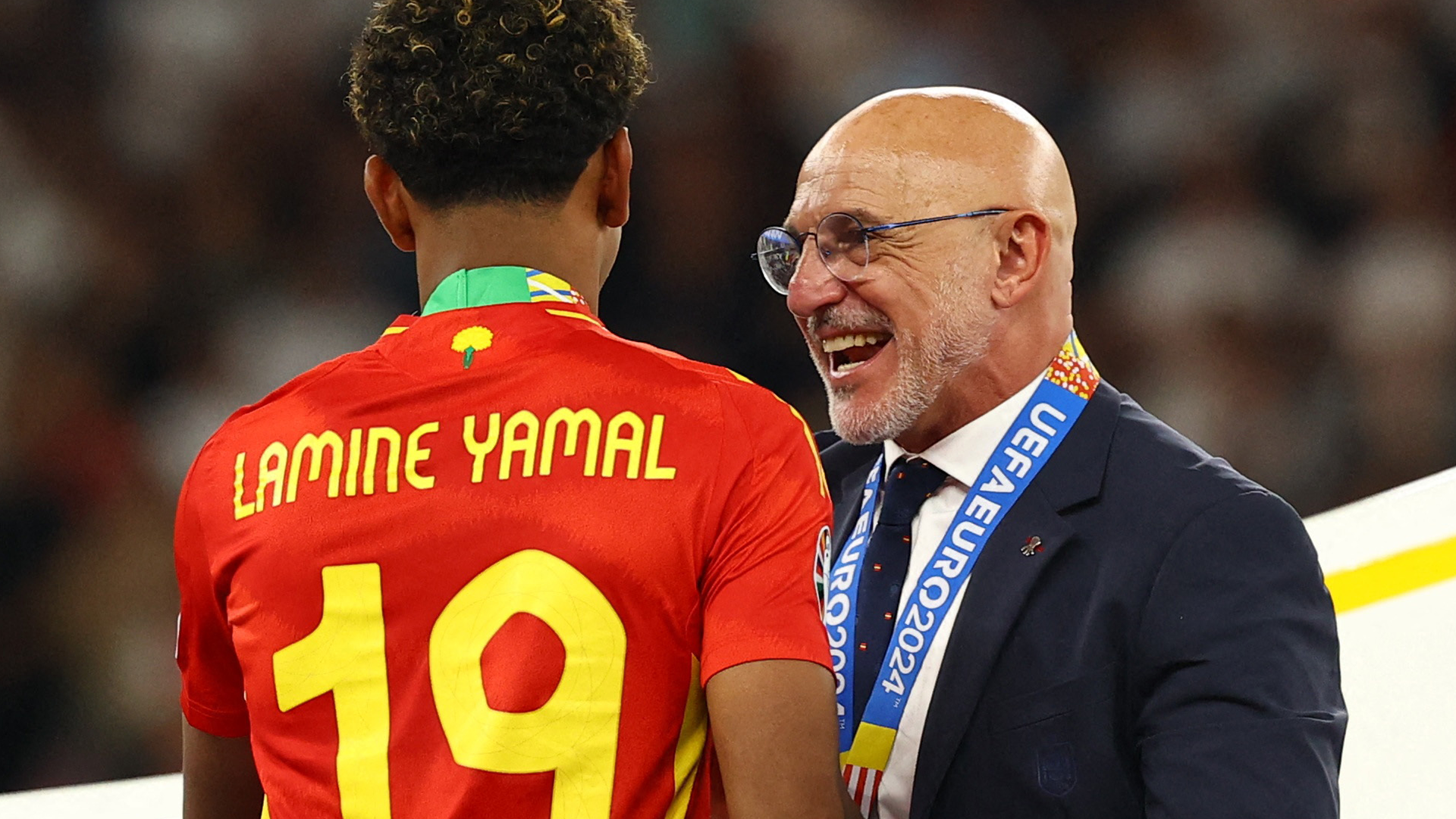
The 2026 World Cup will not only be remembered for its historic nature, with three host countries and 104 matches on the schedule, but also for the direct impact of the climate emergency on the tournament's development. The match between Uruguay and Spain, scheduled for June 26 in Guadalajara, has become the symbol of this issue; according to a study by Climate Central, it will be the match most affected by extreme heat.
The investigation into the climate at the World Cup
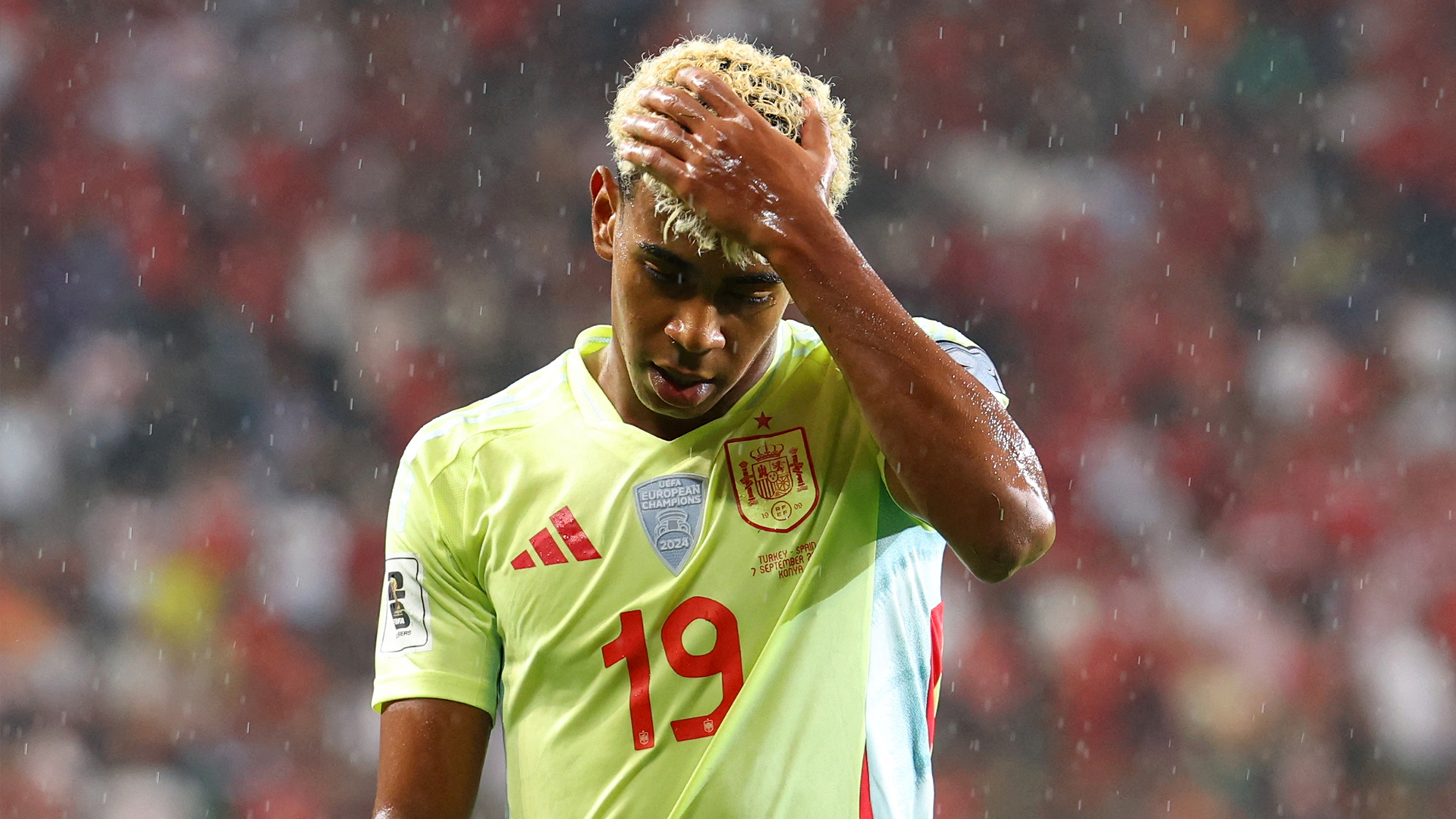
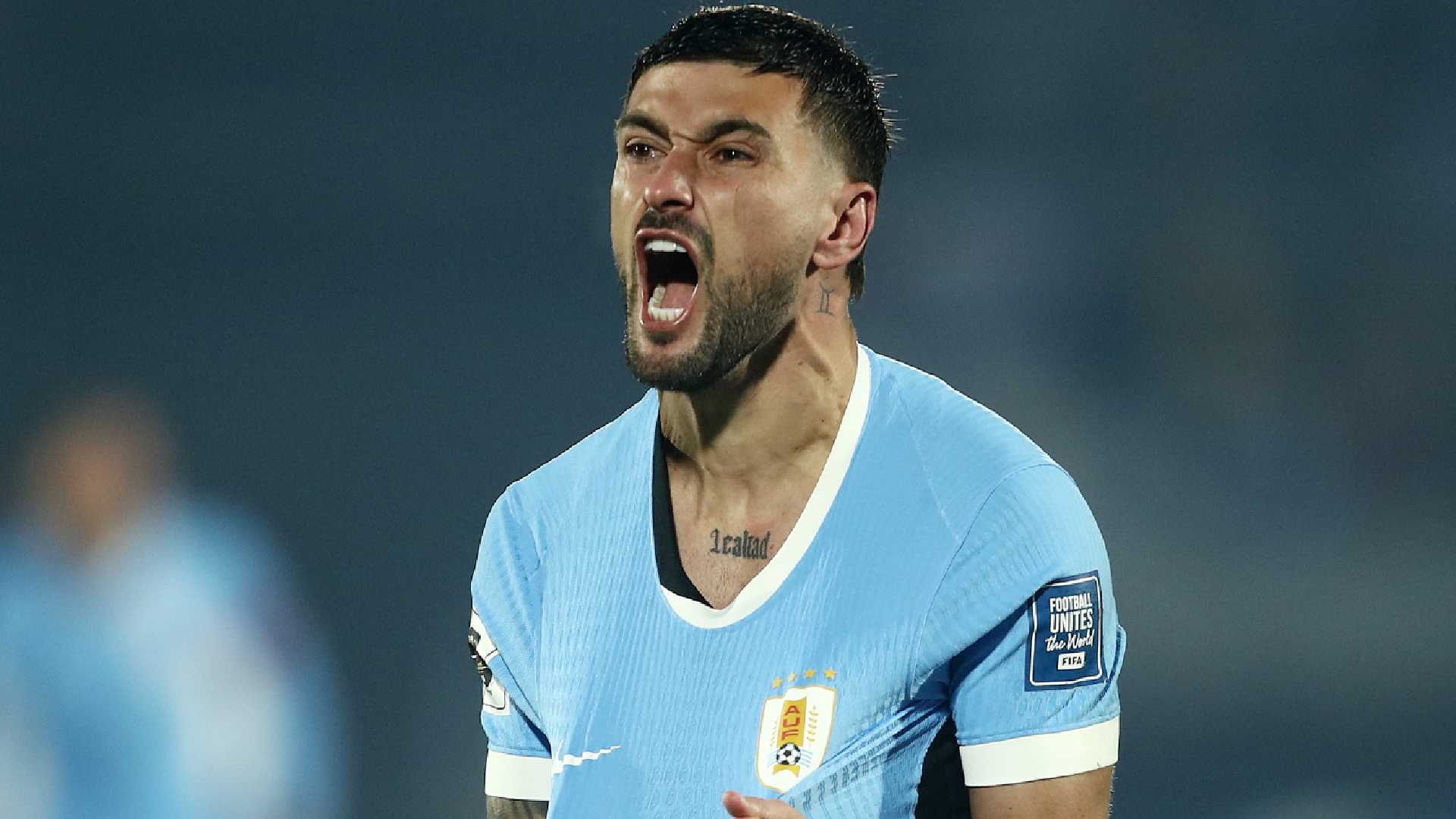
The Climate Central report is conclusive: "Of all the matches, climate change increases the likelihood of heat affecting performance the most during the match on June 26 in Guadalajara between Uruguay and Spain." The probability that the heat will directly impact the game reaches 70%, a figure that represents a 37 percentage point increase attributable to climate change.
The study indicates that 97 out of the 104 World Cup matches will be played under scorching heat, capable of slowing down the pace and demanding extra physical exertion from the players. In that scenario, the match between Uruguay and Spain, corresponding to the third date of the group stage, appears to be the most challenging. Not only because of the climatic threat but also due to its competitive weight, the result can set the course for Cape Verde and Saudi Arabia, who will be eagerly watching the outcome between the two favorites to be group leaders.
How would the match be affected?
The warning comes at a crucial time for FIFA and the organizers, who must ensure mitigation measures such as hydration breaks, reinforced medical protocols, and adaptation strategies for the teams, measures that could stop and slow down the matches in order to ensure the safety and well-being of the players.