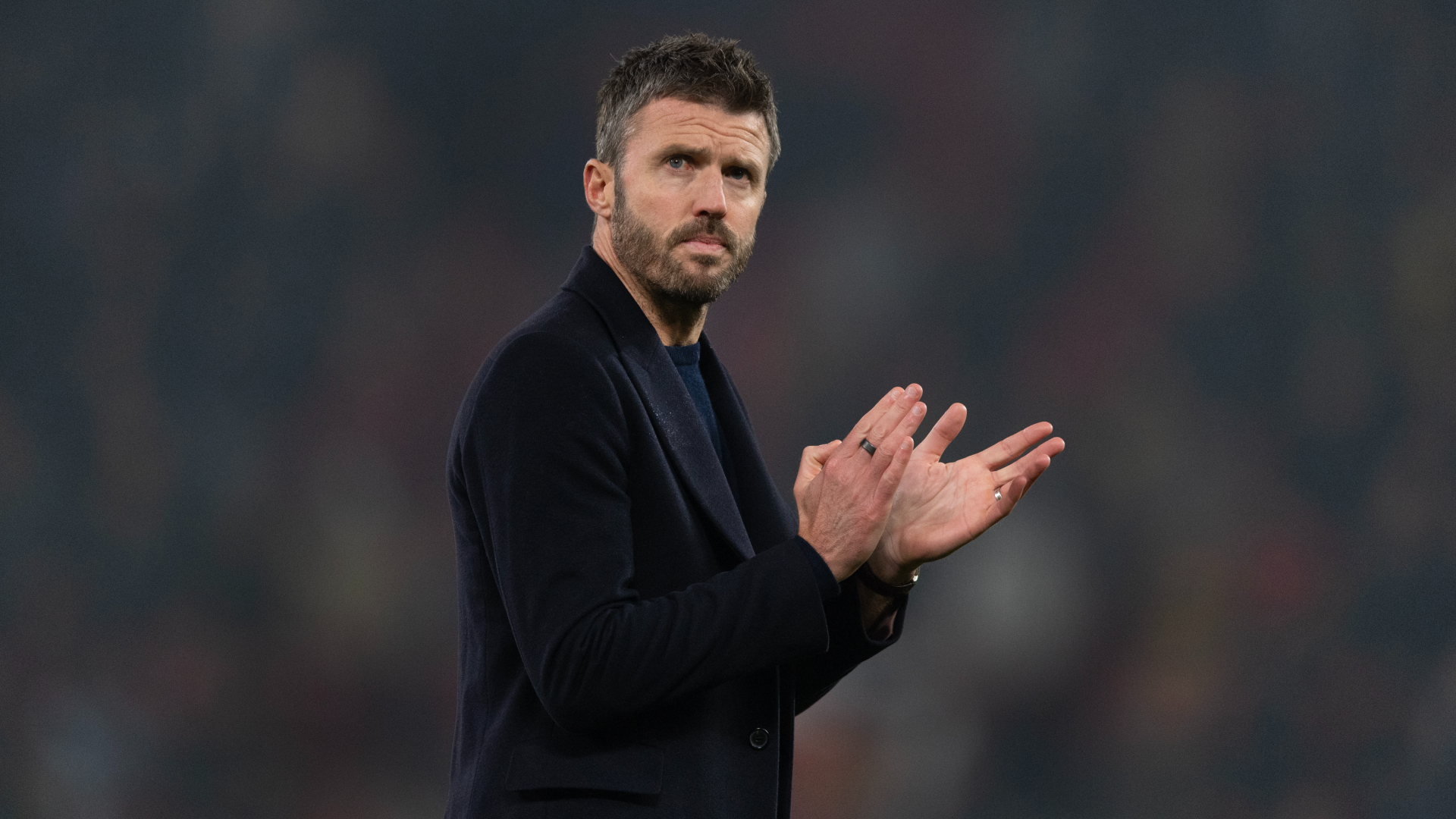

The first international window after the 2026 World Cup will also mark the beginning of several new eras.
National Teams Set to Debut New Coaches in the Next FIFA Window
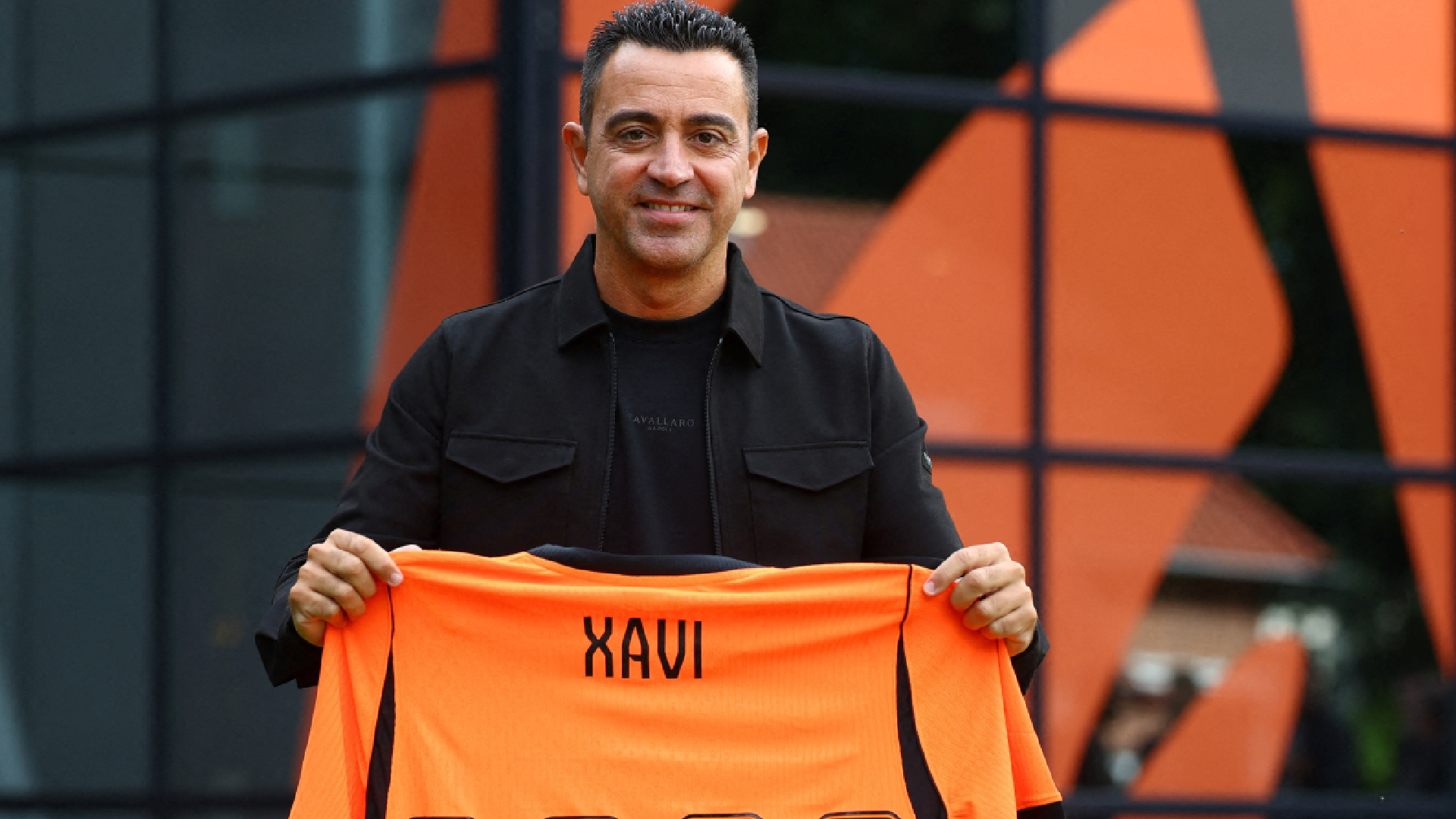
Zinedine Zidane, Jürgen Klopp, Xavi Hernández and Jorge Jesus headline a major post-World Cup coaching reset, but the changes extend far beyond Europe ahead of the September-October international window.
A significant number of national teams changed coaches following the tournament, meaning the September-October window will provide the first competitive or friendly matches for some of the biggest names in management.
Europe leads the coaching reset
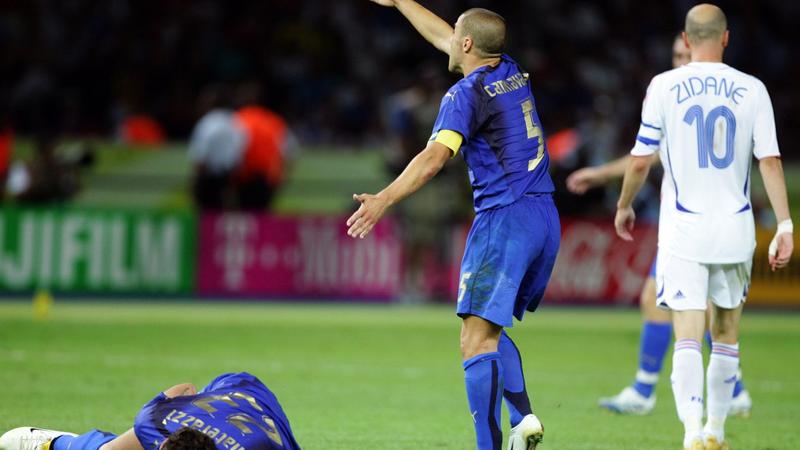
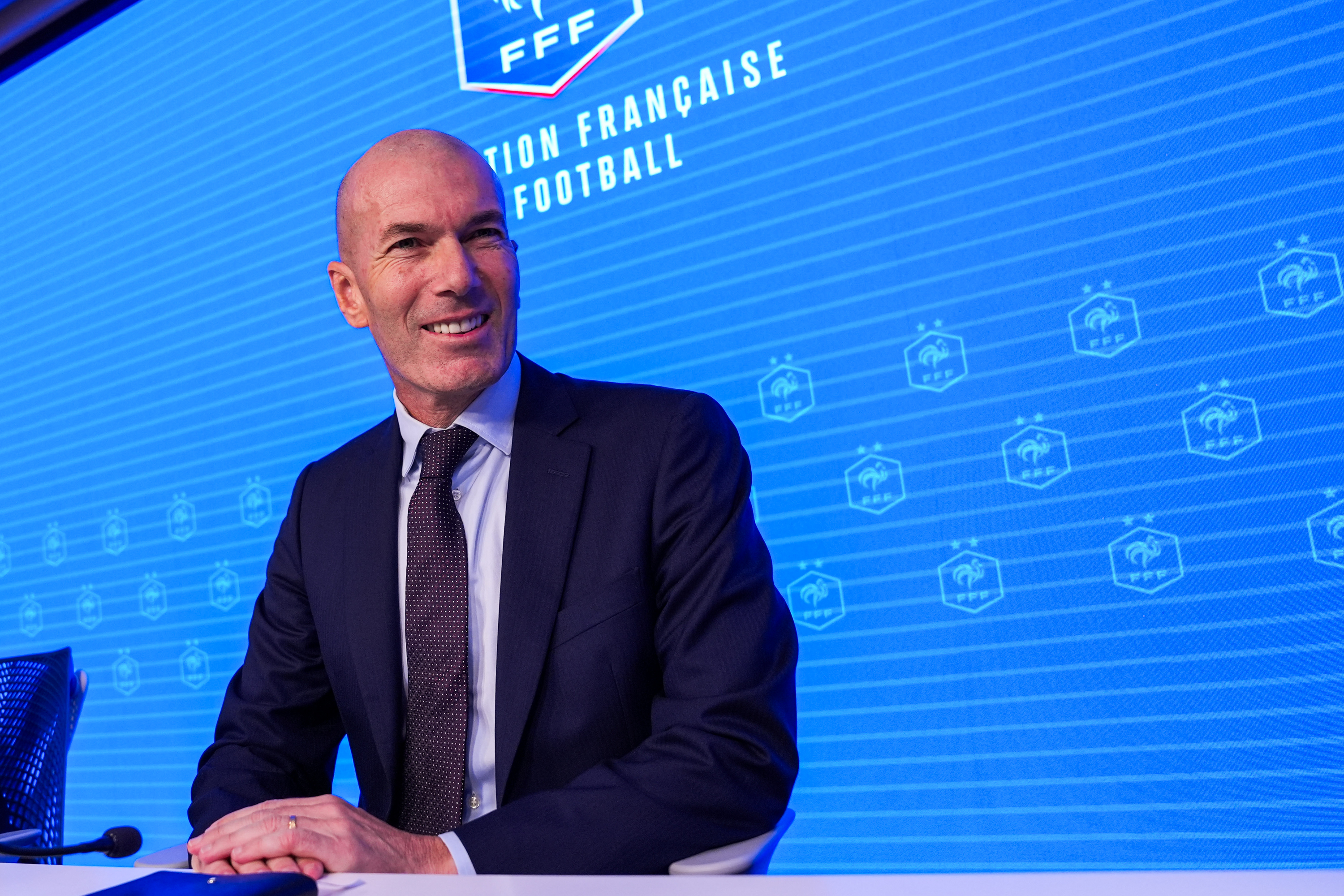
The most eye-catching appointment is Zinedine Zidane, who succeeded Didier Deschamps after 14 years in charge of France. Zidane signed through the 2030 World Cup and will begin his tenure in the UEFA Nations League.
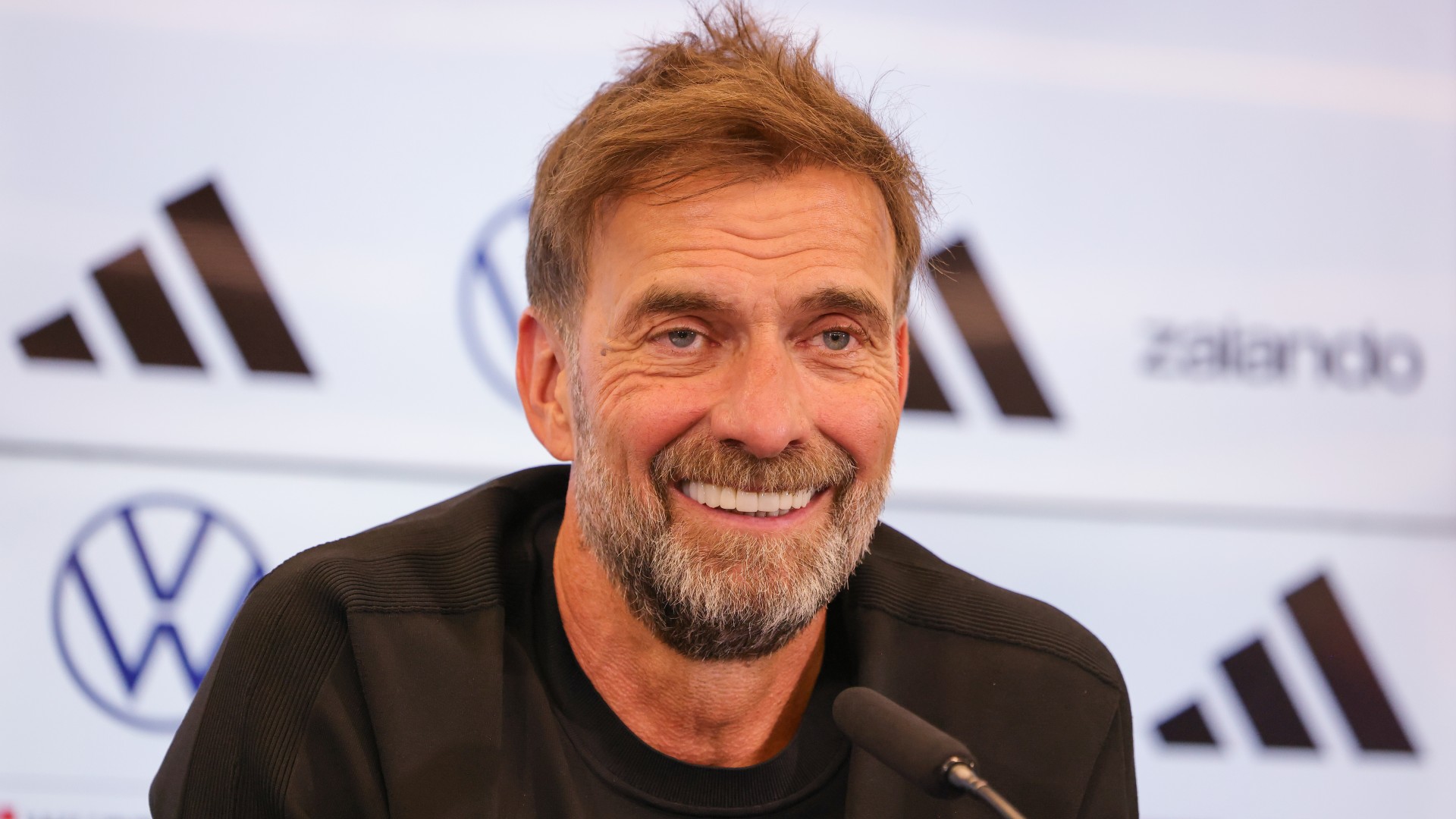
Germany also made a major move by appointing Jürgen Klopp following Julian Nagelsmann’s resignation. Klopp’s first match will be particularly notable: against Netherlands in Amsterdam on September 24.
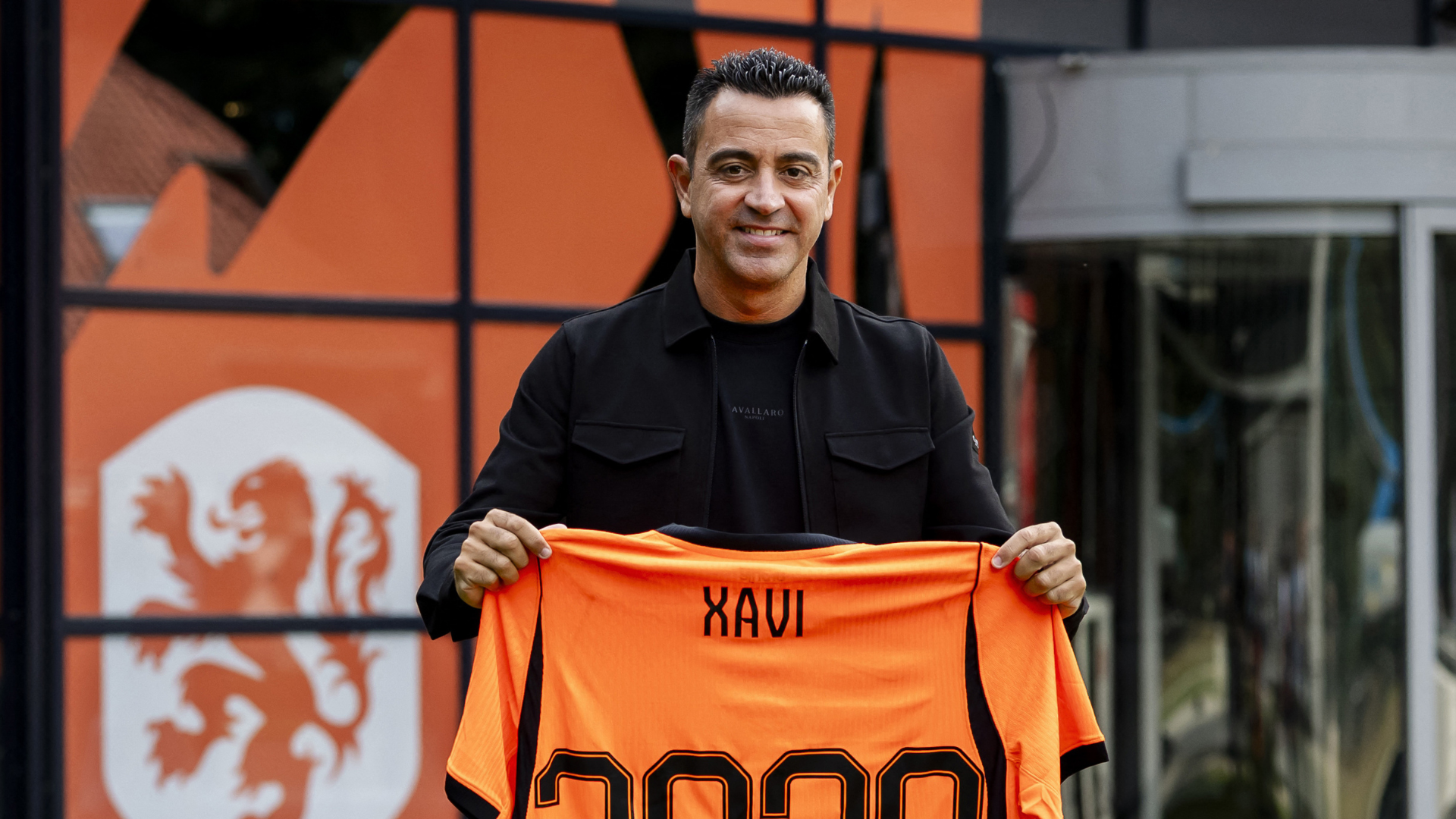
On the opposite bench will be another debutant. Xavi Hernández became the first foreign coach of Netherlands since 1978 after replacing Ronald Koeman, with the former Barcelona coach promising a possession-based, attacking identity.
Portugal turned to Jorge Jesus after Roberto Martínez’s departure following their World Cup Round of 16 exit. The experienced Portuguese coach begins a cycle that must also prepare the team for the post-Cristiano Ronaldo era.
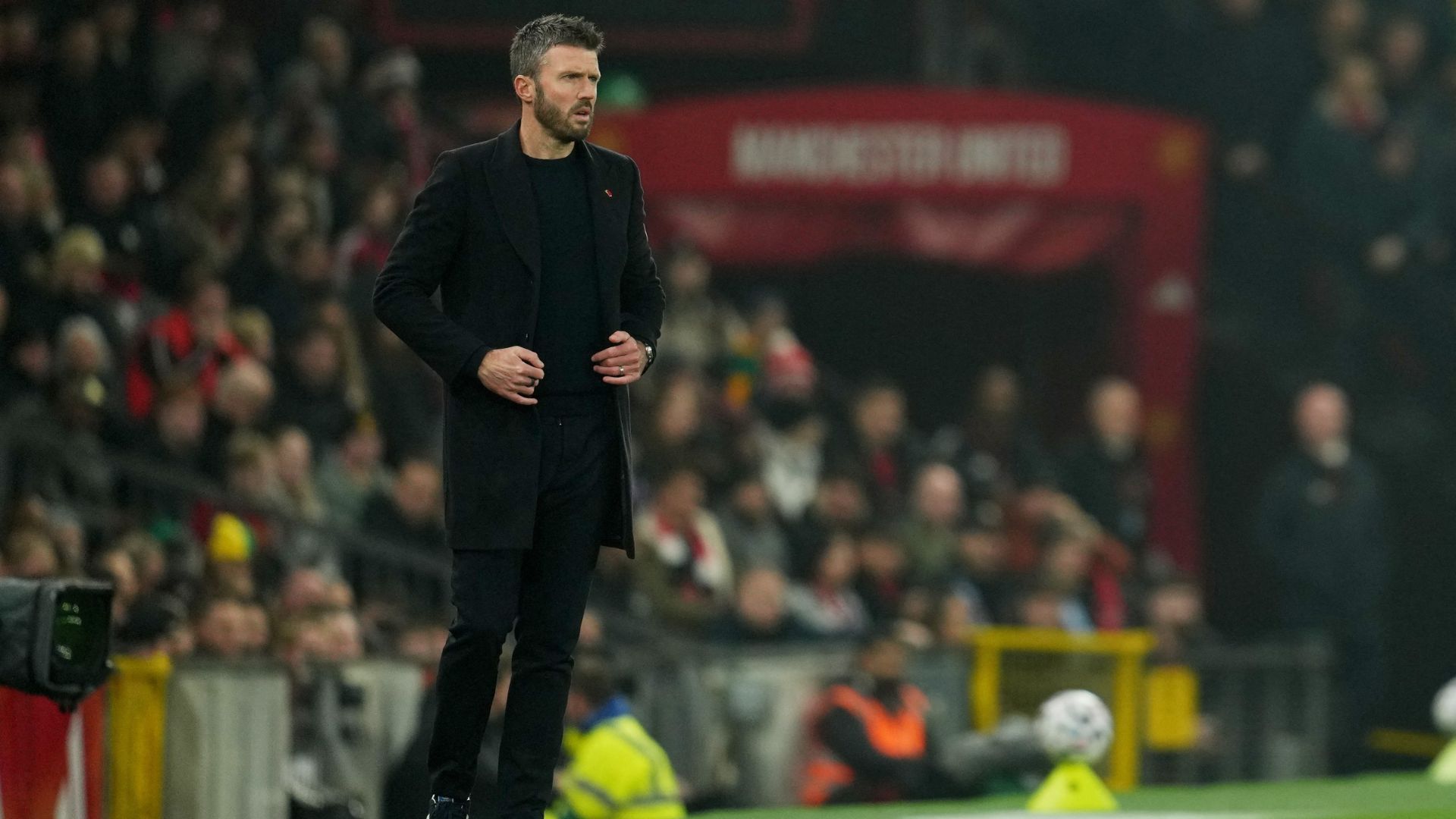
There are further changes among historic European nations. Roberto Mancini has returned for a second spell with Italy after the Azzurri missed a third consecutive World Cup, while Mark van Bommel replaced Rudi Garcia at Belgium.
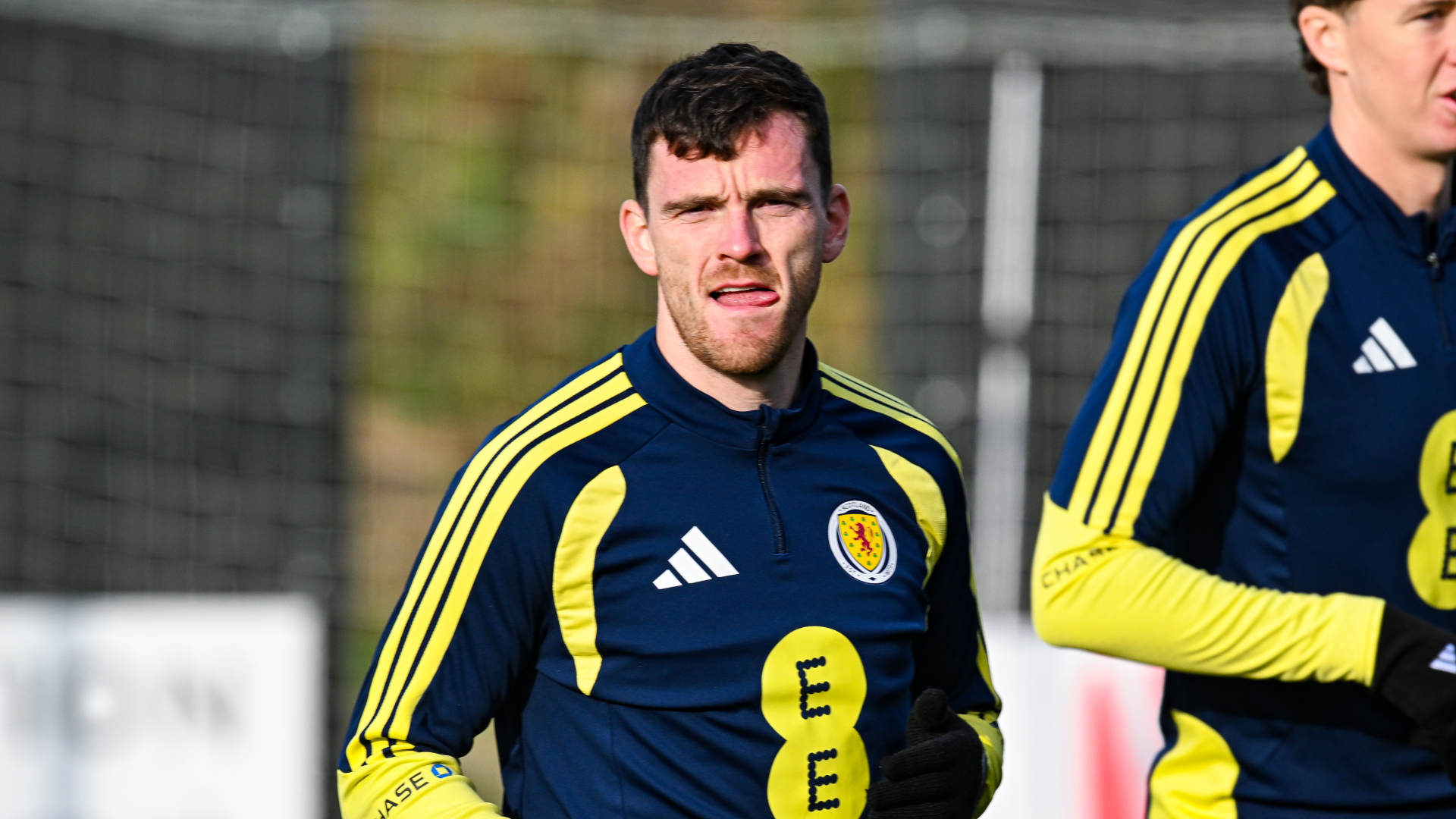
Croatia brought back Slaven Bilić after the end of Zlatko Dalić’s nine-year tenure, while Scotland appointed former Union Saint-Gilloise coach Sébastien Pocognoli after Steve Clarke stepped down following the World Cup.
Changes beyond Europe
Mexico’s transition had been planned long before the tournament. Former captain Rafael Márquez, who worked as Javier Aguirre’s assistant during the World Cup, has now taken control of the senior team as part of the federation’s long-term Project 2030. FIFA currently lists Márquez as Mexico’s men’s national coach.
In South America, Uruguay have handed responsibility to one of their greatest players. Diego Forlán will oversee both the senior team and U20 side following the departure of Marcelo Bielsa, with the September window providing his first senior tests.
Africa has also experienced significant movement.
Senegal appointed Patrick Vieira following the dismissal of Pape Thiaw. It will be Vieira’s first job as a national-team head coach, with qualification for the 2027 Africa Cup of Nations his first major objective.
Côte d’Ivoire brought Hervé Renard back for a second spell, more than a decade after he led the Elephants to the 2015 Africa Cup of Nations title. He replaced Emerse Faé and begins with AFCON qualifiers.
Tunisia have also begun another project with Mouine Chaabani following the end of Renard’s brief World Cup spell.
Asia adds another important name. Former Croatia coach Zlatko Dalić has taken charge of the United Arab Emirates, replacing Cosmin Olăroiu as the country looks toward the 2027 Asian Cup and the next World Cup cycle.
The post-2026 World Cup cycle has therefore started with an unusually deep managerial reset. And for many national teams, September will not simply mean another FIFA window.
It will be day one of the road to 2030.